

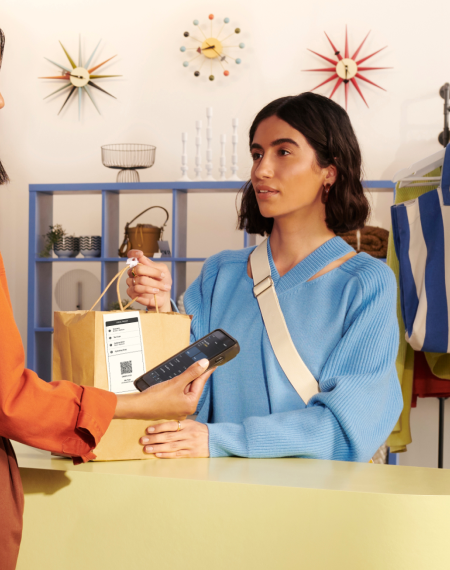
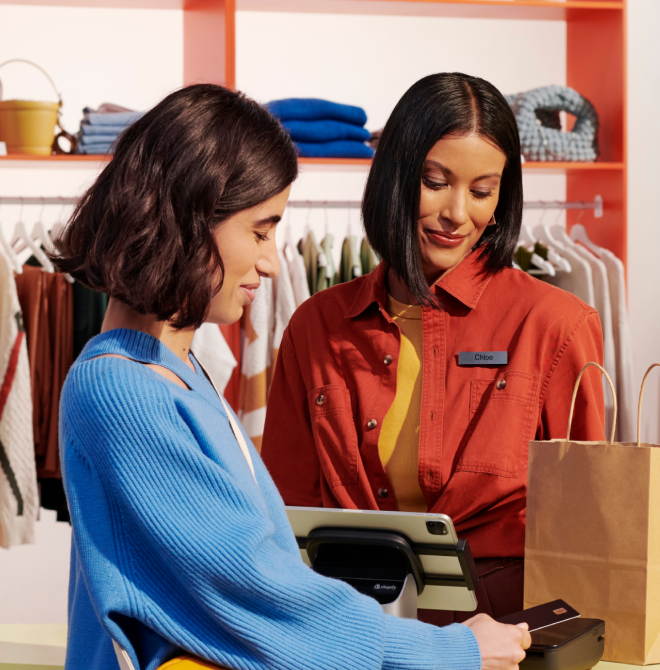
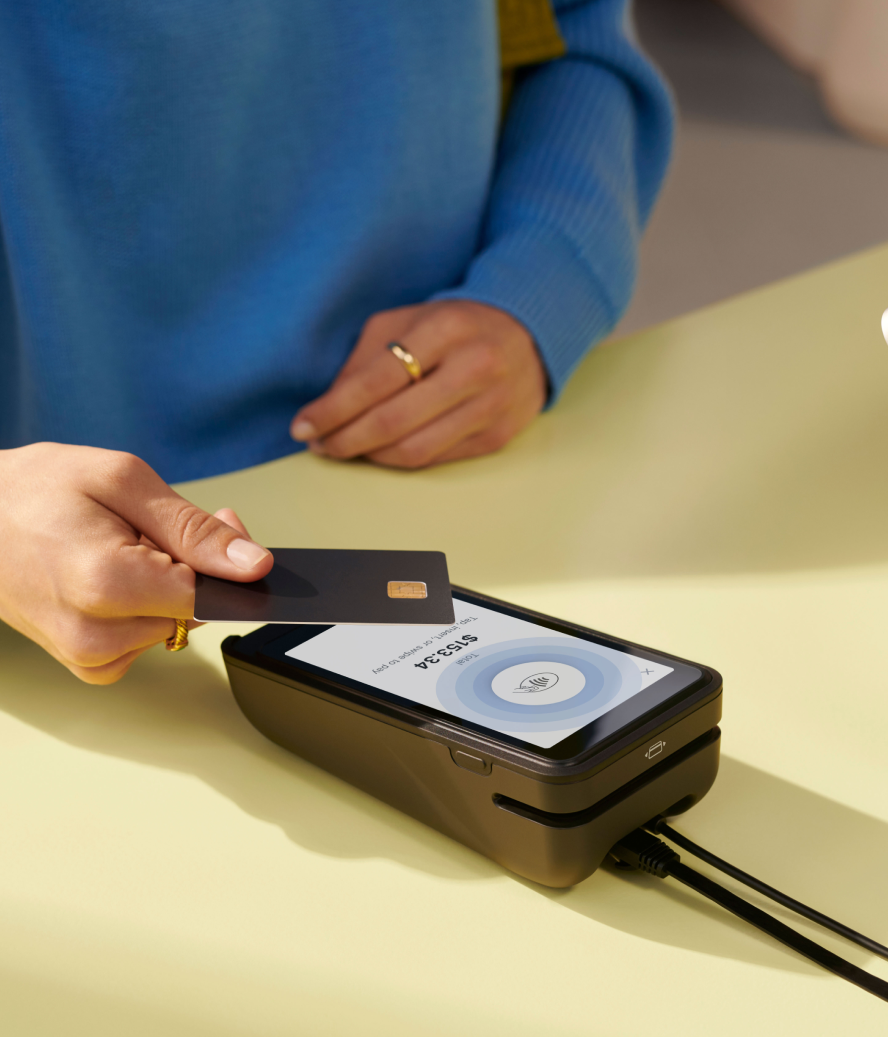

What if your next big growth move isn’t another ad campaign—but a real-world pop-up that turns online fans into in-person buyers? The right location can give you instant foot traffic, faster customer feedback, and a low-risk way to test physical retail without signing a long lease.
Key Takeaways
- Choose pop-up store ideas based on where your customers already spend time (partner stores, markets, malls, events).
- Start with low-lift venues (like a store within a store or a gallery) to reduce setup time and staffing needs.
- Before committing, confirm venue logistics: vendor requirements, fees, dates, and placement rules that affect foot traffic.
- Use your pop-up to validate demand and collect insights you can apply to your online store and future retail plans.
As an ecommerce merchant, you might have a highly successful online store, a loyal community of customers in love with your brand, an audience of fans on social networks, and a question lurking in the back of your mind:
What’s next?
You’ve dominated the digital realm, now it’s time to start thinking about extending your reach into the world of physical retail. Multichannel selling is a common strategy for reaching customers across online and offline touchpoints, so it isn't a bad idea to have more than one sales channel for your products as well.
But you don't have to sink significant cash into a full-fledged storefront to dip your toe in the offline sales world. Before you get too ahead of yourself, we'd suggest you explore the option of opening up a pop-up shop. A pop-up shop is a temporary retail activation that could last from a single day to several weeks or months, where you can sell your products without the headache of committing to a lease, managing swarms of employees, or thinking about how to consistently drive loads of foot traffic to your doorstep.
And the first rule of selling in a pop-up shop is the good old saying: Location, location, location.
Here, we'll tackle the topic of figuring out the type of pop-up shop that works best for your business. By the end, you’ll have a good grasp on how to start a pop-up shop and plenty of store ideas to consider when you’re ready to take that step and start selling offline.
1. A Store-Within-a-Store

Image: Poketo
When starting your pop-up journey, you don't need to go it alone — at least not initially. You can partner up with another retailer to create a store within a store or a "pop-in."
Essentially, you'd work with a retail brand to set up a section of the store to display your products. Generally, you'd work with brands that sell similar or complementary products to your own.
For example, Pintrill partnered up with Nordstrom to host a successful pop-in at the department store. The streetwear accessories brand eventually used that traction to open their first standalone store in Brooklyn.
Ecommerce brands without an offline presence can enjoy a number of benefits in this scenario — you typically get a move-in ready space that requires minimal setup while getting access to the store’s existing foot traffic. Meanwhile, the existing store owner can offset occupancy costs by monetizing underused floor space while generating new foot traffic from the buzz you help create.
How to pitch a “pop-in” partnership
To get started, take a good look at your products and customers and make a list of all the small businesses, boutiques, or retail stores that would make excellent partners.
Then craft your pitch: Establish some details of the partnership, including how you would help offset rent in return for shelf space, what your display would look like, and how long you run your pop-in.
2. Gallery or Event Space
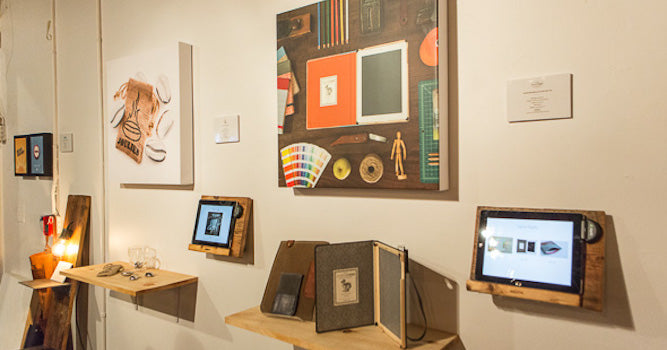
While galleries and event spaces may not be top of mind when considering a pop-up shop, these venues can serve as a perfect blank canvas to translate your brand into a physical space.
Not only are these spaces aesthetically pleasing, in many cases, venue owners are experienced at hosting events and can help you avoid common first-timer hiccups.
If you want your pop-up to feel more like an experience than a transaction, the next few venue options lean into community and high-intent browsing.
3. Farmer’s Markets

You’d be hard-pressed to find anyone who doesn’t love farmers’ markets. In fact, you’d know if you’ve been to any that it’s probably one of those rare public occasions where you’d find so many people relaxed, chatting, and smiling while shopping.
A few things to consider before setting up a booth at your local farmer’s market is to check their vendor requirements and what kind of commitment they require. It’s also a good idea to speak with some of the existing vendors, especially if you know any personally, about their experience and what they’d recommend for getting started.
FURTHER READING: Need some help figuring out a killer market booth? Turn foot traffic into sales at your next farmer's market with these brilliant booth ideas.
4. Art and Craft Fairs
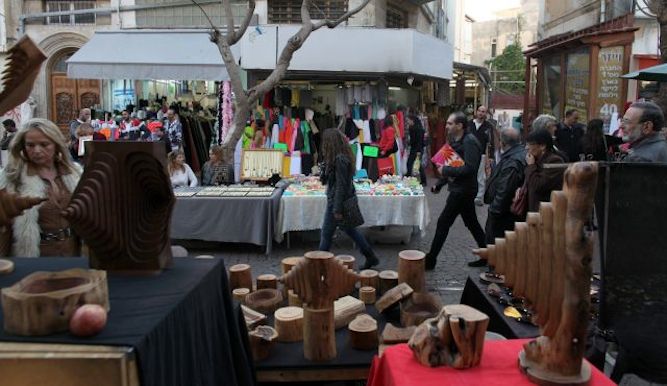
These events go by many names; whether they're festivals, fairs, or marketplaces, these events can be a great avenue to explore when selling in the physical world. The customers love unique products, personalized gifts, handmade accessories, and crafts from retailers like you, and they tend to love the idea of supporting local entrepreneurs.
Again, you’ll probably want to take a look at the event's website to obtain all the logistical details upfront, such as the cost, commitment, and spots available. You’ll probably want to take advantage of their first-come, first-served policy when it comes to booth placement to secure a high-traffic spot. Also, take the time to chat with vendors who go every year about their experiences.
FURTHER READING: To stay on top of weekend sales events, read our list of tactics to get organized for selling at markets, fairs, and festivals.
5. Other Mass Gatherings

Maybe the crowd you’re targeting doesn’t frequent local art and craft fairs. Based on your knowledge of your target demographic, you’ll want to check out a wide assortment of other possibilities.
Consider venues like music festivals, concerts, sporting events, races, and fitness expos—any mass gathering where what you sell would be appealing for the people attending.
Make sure to do your due diligence once again, but these type of public events can be boon if you know your customers well enough to know where they like to hang out in their spare time. Help them find you and build your offline customer base one event at a time.
6. Shopping Center or Shopping Mall

Shopping malls can offer high foot traffic and built-in amenities (parking, food courts, anchor tenants) that can benefit pop-ups. Retailers both big and small can take advantage of the massive foot traffic that malls offer. But wait: how are you going to setup shop in a mall, of all places?
Two common ways to pop up in a mall
Generally, newbie retailers have two options: You can rent a kiosk or booth space that allows you to set up shop right in the middle of the action, or you can look at vacant in-line stores that the shopping center reserves just for pop-up shops or has had a hard time renting out long term.
Although renting a space in a shopping mall may be less cost-effective than the other venue ideas mentioned above, this would definitely be ideal for those who have a certain degree of experience selling in retail environments. And more major shopping centers are welcoming pop-up shops with open arms because of the buzz they bring to the space—especially as mall operators look for flexible, short-term retail concepts.
For more context, see Shopify’s overview of how malls are adapting in Future of Malls.
7. Vacant Street Level Retail Space

The holy grail of commerce for some merchants is to have their very own thriving storefront. Though it may feel like a distant reality for many smaller merchants, it can be a potential option if the right opportunity presents itself.
Depending on the city or neighborhood where you'd like to host a pop-up shop, search for vacant commercial properties in the area. Contacting real estate agents for hard-to-lease commercial spaces can often land you a great deal on a beautiful storefront without the need for a lengthy retail lease.
Not only will you have the ultimate control over your retail environment, but you’d be playing in the proverbial retail big leagues.
Frequently Asked Questions
What is a pop-up shop?
A pop-up shop is a temporary retail activation that can run for a day, a weekend, or several weeks. It lets you sell in person and test new store ideas without committing to a long-term lease.
How do I choose the best pop-up location for my brand?
Start with where your customers already go—partner retailers, markets, fairs, malls, or niche events. Then confirm the venue’s foot traffic patterns, placement rules, and costs so your pop-up is visible and financially viable.
How much does it cost to run a pop-up shop?
Costs vary by venue type: markets and fairs often have vendor fees, while malls and street-level spaces can be more expensive. Ask for a full breakdown (rent, deposits, staffing, insurance, and any required fixtures) before you commit.
Are pop-up shops worth it for ecommerce brands?
They can be, especially if you want faster customer feedback, brand exposure, and a new sales channel. A well-chosen location can help you meet new shoppers and strengthen loyalty with existing customers.
What are good alternatives to renting a full storefront?
Try a store-within-a-store “pop-in,” a gallery/event space, or a booth at a farmers’ market or craft fair. These store ideas typically reduce risk because they’re shorter-term and often come with built-in traffic.
Moving Forward With Your Own Pop-Up Shop
You now have seven proven store ideas for taking your brand offline—without jumping straight into a long lease. Pick one venue type that matches your customer habits, confirm the requirements and costs, and set a clear goal for the pop-up (sales, customer feedback, or brand awareness).
Ready to take the next step? Read our comprehensive guide to pop-up shops and start planning a pop-up that turns online momentum into real-world revenue.

