


Weekend Sales Events: How to Get Organized for Markets, Fairs, and Festivals
What if your next market setup took 20 minutes instead of two hours? This weekend sales events guide shows you how to prep your booth, pack smarter, and track inventory so you can spend less time scrambling and more time selling. When I started an ecommerce business, one of the ways I drove traffic to my site was by participating in weekend fairs and festivals to connect with customers face-to-face and sell my products offline.
Key Takeaways
- Do a full mock booth setup before the event, then label display pieces and product bins so setup is repeatable and fast.
- Pack by department (and use containers that double as displays) so you can unpack, merchandise, and restock quickly.
- Keep a dedicated “show tools” kit (cords, tape, scissors, etc.) so you never rebuild your supply list from scratch.
- Bring the right amount of inventory (often around 10× your booth fee, adjusted for your business) and track every item sold using a spreadsheet or your POS software.
The exposure brought new customers and gave me a chance to better understand my market.
At first, I packed anything and everything I thought I might need, and setup took an exhausting couple of hours. My business was called The Organized Parent (I later sold it to FranklinCovey Products), yet ironically I felt anything but. Eventually, I noticed that “weekend warrior” retailers had the process down to a science, hardly breaking a sweat during setup.
After studying their secrets for selling at markets, fairs, festivals, and pop-ups, I changed up my organizing strategy. Here are the four steps that helped streamline the process.
1. Get a Portable Booth
Successful experiences start by designing a booth that’s transportable. Look for display items with built-in wheels or that are light or small enough to be moved around on a dolly.
Some events provide tables, while others rent them. It’s convenient to have some of your display waiting for you, but make sure table rental fees don’t eat into your profits. Folding tables are easy to carry in and out of an event, but you’ll want to choose ones that are durable. Also, don’t forget about signage, lighting, and display pieces, all of which will attract attention to your booth.
FURTHER READING: Need some helping brainstorming booth ideas? Take a look at these brilliant markets booths that turn foot traffic into sales.
Run a mock setup so event-day setup is automatic
“One of the most important steps that I've found to boost efficiency for transportation, set-up, and take-down, is doing a pre-event mock set-up in my backyard,” says Sarah Wittington, owner of The Smoothe Store, a merchant that sells merchandise for dachshund lovers. “I mark-off the size of the booth then fully set it up. From there, I label each display piece and the corresponding boxes of product. Then I create a basic drawing of the layout and load it to my tablet.”
Tip: Do a full mock setup before the event, then label your display pieces and product bins so setup is repeatable and fast.
On event day, Wittington packs her car according to the order noted in her drawing. “Setup is a breeze because I don't need to fuss over placement or think too hard about it,” she says.
2. Pack Smart
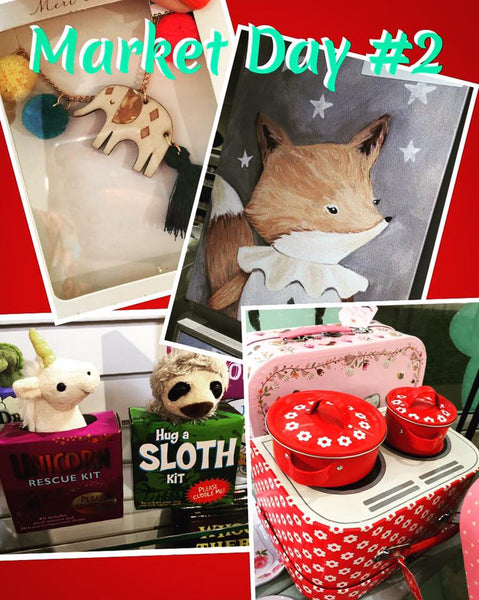
Image: Nutmeg's Facebook
When packing your products, it can help to choose containers that double as display items, such as decorative crates, bins or even old luggage. Cynthia Sutton owns The Silver Barn and Nutmeg's Kids in Round Top, Texas, where she sells home décor and children’s items. She participates in pop-up events throughout southeast Texas, and says the packing process requires some thought.
Pack by department to speed up merchandising
“Place departments, like jewelry, home and kids, and for each department decide what vendor and product I’m including,” she says. “Price and pack by department.”
When you get to the event, you’ll be able to unpack and display items quicker since things will be stored section by section.
This is one of the simplest upgrades you can make from this weekend sales events guide: it reduces decision fatigue and makes your booth look intentional from the first minute.
3. Stay Organized
Boxes and totes that aren’t display items should be chosen wisely. Look for boxes that can stack and be tucked away. Collapsible totes are great for carrying soft items because they can be folded and stored inside one tote. If your booth uses a table, make sure to bring a long tablecloth so you can tuck your storage items away underneath. Otherwise, you’ll need to bring them back and forth to your vehicle to keep your booth looking tidy.
Build a dedicated “show tools” kit
In addition to your products, you’ll need to organize supplies. Pack essential items like:
- A phone charger
- Extension cords
- Duct tape
- Safety pins
- Scissors
- Lint roller
- Pens or markers
- Bandages
- Cleaning wipes
- A notepad
- Calculator
- Aspirin
- Tissue
- Paper towels
- Tape measure
- Binder clips
- Trash bags
It helps to keep a box dedicated to your show tools so you don’t have to repack the list for each event.
4. Track Inventory
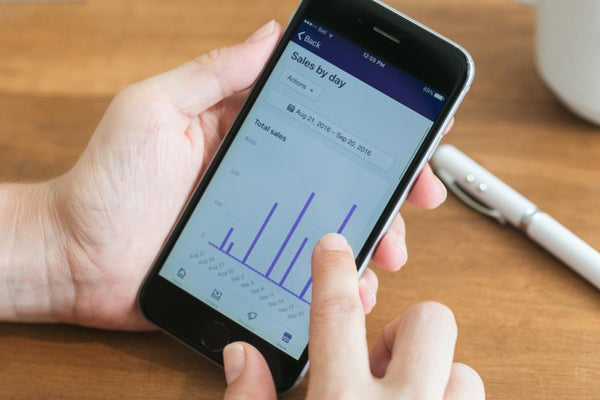
You don’t want to run out of products, but you also don’t want to bring so much inventory that your booth looks cluttered. Resist the temptation to pack everything “just in case.”
“I want to bring the entire store since I just know that item will sell,” admits Sutton.
Choose inventory levels that protect profit and presentation
But eventually, you’ve got to stop adding to the stock you’re taking to an event. The amount of merchandise you bring will depend on the expected attendance of the show. One rule of thumb some vendors use is to bring inventory valued at about 10× your booth fee—but adjust based on your price points, expected foot traffic, and past sell-through.
The more you sell, the less you have to pack up at the end of the show. Wittington suggests that you refrain from selling display products until near the end of the day. “That way you can have people order from your website on the spot rather than losing a sale,” she explains.
Use a simple system to track what you brought vs. what you sold
While choosing the right inventory to bring is an art, tracking it is a science. Make a list of everything you’re bringing, and have a system for keeping track of both your inventory and sales. It can be as easy as creating a spreadsheet or ensuring the data is available in your POS software. Tracking inventory will help you choose the right product selection for future shows, as well as prepare for any orders you need to place with your vendors to restock.
TRY SHOPIFY POS: Want the ability to sell anywhere? Try Shopify POS to manage inventory and make sales on the go.
Don’t forget to keep track of your supplies, such as bags, packing material for customers and receipt books, and to replenish necessary items before the next event.
Moving Forward: Getting Organized For Weekend Sales Events
Participating in offline events is a great way for retailers to build customer relationships, test new products, and make more sales. And just a bit of planning can help make your weekend a less stressful — and more successful — one.
Do you have any great tips for staying organized for weekend sales events? Share your experiences in the comments below.
Retail Weekend Sales Events FAQ
What are the best months for retail sales?
The best months for retail sales typically depend on the type of product or service being sold. Generally speaking, the peak buying times for retail sales tend to be during the holiday season (November and December) and during the back-to-school season (August and September).
What are key retail holidays?
- Black Friday (November)
- Cyber Monday (November)
- Small Business Saturday (November)
- Memorial Day (May)
- Father's Day (June)
- Independence Day (July)
- Labor Day (September)
- Halloween (October)
- Thanksgiving (November)
- Christmas (December)
- New Year's Day (January)
- Valentine's Day (February)
- Easter (April)
- Mother's Day (May)
- Back-to-School (August)
What are the biggest sale days of the year?
The biggest sale days of the year vary by country. In the United States, the biggest sale days of the year are typically Black Friday (the day after Thanksgiving), Cyber Monday (the Monday after Thanksgiving), and the days surrounding the Christmas and New Year's holidays. Other popular sale days include Memorial Day, Labor Day, and Independence Day.
What is Super Saturday?
Super Saturday is the last Saturday before Christmas and one of the busiest shopping days of the holiday season. In 2026, Super Saturday falls on . Source: NRF Super Saturday press release.
How do I track inventory at a weekend market without overcomplicating it?
Start with a single list of every SKU you bring, then record each sale as it happens (either in a spreadsheet or in your POS software). After the event, compare what you brought vs. what sold to decide what to restock and what to leave home next time—one of the fastest wins in any weekend sales events guide.
Your next steps for a smoother (and more profitable) weekend event
When your booth is portable, your packing is department-based, and your tools and inventory are tracked, you’ll set up faster, sell with less friction, and learn exactly what to bring to the next show. Pick one improvement to implement before your next event—start with a mock setup and a labeled packing system—then add inventory tracking so every weekend gets easier.
If you want to sell in person while keeping inventory and sales in sync, try Shopify POS and run your next market like your best one yet.

