

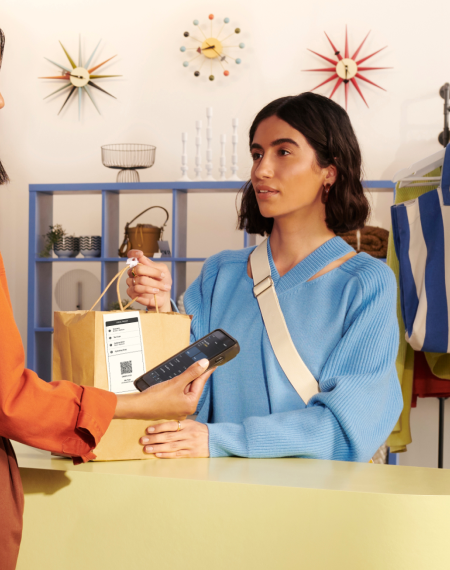

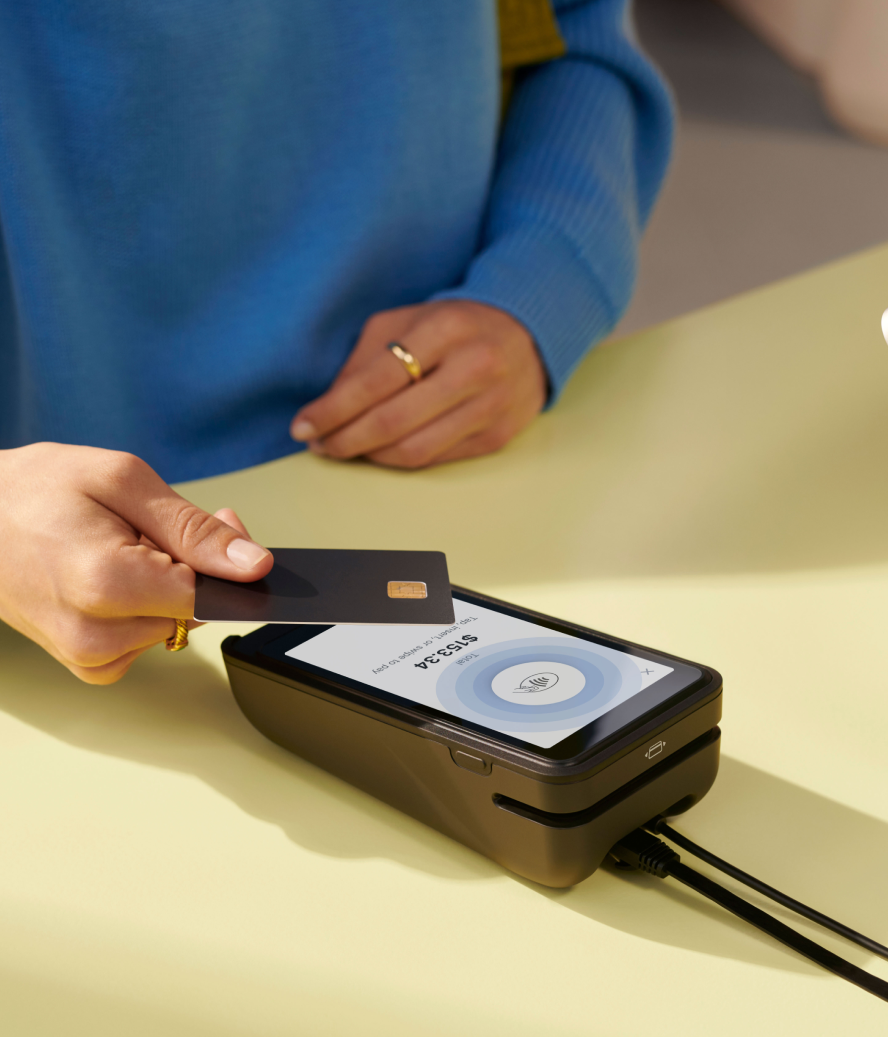

What if you could turn walk-outs into checkouts—without chasing shoppers after they leave your store? With email carts in Shopify POS, you can capture the exact products a customer considered in person and send them a ready-to-buy cart link so they can complete the purchase online later.
Key Takeaways
- Use email carts in Shopify POS to send an in-store shopper a pre-filled cart and checkout link so they can buy online after leaving.
- Recover more in-store revenue by following up when shoppers are undecided, out of stock in-store, or short on time at checkout.
- Improve attribution by tying store-assisted online orders back to the store and the associate who sent the email cart (email login required; PIN-only logins aren’t tracked).
- Strengthen reporting and staff incentives by counting email-cart-driven orders toward store revenue and staff performance metrics.
More and more shoppers are showrooming—that is, discovering products in-store and buying them online afterward.
Once the shopper leaves the store, however, the merchant often has limited ways to remarket to that shopper unless they’ve captured contact details (for example, through loyalty or clienteling) and convert the store visit into a sale.
Abandoned cart emails have long been a go-to tactic for direct-to-consumer merchants looking to increase online conversion rates, and it’s no secret why: cart recovery emails are remarkably effective customer retention tactics.
So, if abandoned cart emails are so effective, why doesn’t an equivalent tactic exist for physical stores? That’s a problem Shopify POS email carts help solve.
Email shopping carts let you send indecisive shoppers the equivalent of an abandoned cart email from the point-of-sale (POS) system that includes products they were interested in while shopping in-store.
If the shopper completes the purchase online after clicking through from the email, the retail store (and the associate who sends the email cart) gets credited with the sale (attribution is tied to staff logged in with their email; PIN logins aren’t tracked for Email cart attribution).
What is an email cart?
An email cart is the equivalent of an abandoned cart email for in-person shopping.
Email cart is available in Shopify POS for locations on the Shopify POS Pro subscription.
They make it easy for you to follow up with shoppers who were interested in certain products when they visited your store but didn’t buy anything.
Email carts help convert shoppers who visit your store into paying customers.
For store associates, email carts are a simple way to get credit for the in-person shoppers they helped convert into buyers—even if the transaction happens online.
They can add items to a customer’s cart and send them a follow-up email in a few clicks.
If the shopper buys any products via that email, the store associate who served them is credited with the sale.
How do email carts work?
Email cart for Shopify POS is a feature that allows retailers to create a cart for an in-store shopper and then send the shopper an email helping them to complete their checkout online.
The email includes a summary of the customer’s cart plus a link to the store’s online checkout.
After the email is sent to the shopper, their order is saved as a draft.
If the customer clicks the link and completes the checkout, the draft is saved as a completed order.
Note: You can send an email for a cart only if you’re accepting payment for the entire order.
You can’t accept partial payments in person and then send an Email cart to collect the remaining balance.
Benefits of email carts in retail
Klaviyo’s abandoned cart benchmark report shows abandoned cart flows drive an average revenue per recipient (RPR) of $3.65 (Klaviyo, accessed 2026-02-05).
Multiply that by the thousands of abandoned carts every year, and it’s clear that this tactic can earn you more revenue.
Shopify built the email cart feature to bring the functionality of abandoned cart emails to in-person selling for the first time.
Email carts help you better serve shoppers who prefer discovering products in-store and buying online.
This helps you increase store conversions, attribute revenue to the right sales channels, and reward store staff for in-person interactions that eventually lead to a sale.
Increase store conversions with email carts
Shoppers who leave a store without buying typically do one of several things: they either explore their options and purchase from your store later, visit your online store and purchase the items they were interested in, or buy from another merchant altogether.
In all these scenarios, you cannot proactively capture the sale once the shopper leaves your store.
But by using email carts, you can recover lost store sales just like you would online with abandoned cart emails.
Rather than leaving the sale up to chance, make the sale by using email carts to gently remind shoppers of the products they are interested in.
Keep selling even when you’re out of stock
If you run out of products in-store but have inventory at your warehouse, you can use email carts to capture the sale and ship the order to the customer.
The Sheet Society, for example, has increased in-store conversion rates using tools like Shopify’s email cart feature.
When shoppers are considering which duvet covers will complement their linens, The Sheet Society’s store staff preload the shopper’s cart with the options they are considering and send them an email cart.
Shoppers can then compare colors to the bedding they have at home before purchasing online.

Attribute revenue to the right channels
A sale can happen anywhere, at any time, but tracking which online and offline channels contributed to a sale has historically been a challenge for merchants who sell online and in person.
For example, a customer visits your store and leaves without buying anything.
A few days later, they visit your website and buy the products they discovered in the store.
Your online store is likely given 100% of the credit for making the sale since it was the last touchpoint that converted the traffic into a customer.
This is known as last-click attribution.
To credit retail stores for sales that eventually happen online, you need an accessible way to use first-touch attribution, where the first time the customer interacts with your brand is deemed the most important reason they bought your product.
That’s where email carts come in handy.
They digitally track customers' interactions with store associates and attribute the store as the point of purchase.
Reward store staff for online sales they assist with
Using a commission wage structure for your store staff may make them less inclined to help showroomers.
After all, why help if they’re not financially incentivized?
That doesn’t feel very customer-focused, and it’s a mindset email carts help fix.
If an online transaction is completed via the email cart the store staff sends the customer, they get credit for making the sale, just like they would if the transaction occurred in-store.
Email carts help reward store staff for customer interactions that eventually lead to a sale.
This also gives you a complete picture of your store staff’s sales performance.
Your staff reports count the sales they recover using email carts toward performance metrics, like average order value, items per order, and gross sales.
Email cart for Shopify POS allows retailers to view sales attribution for Email cart orders.
The sale is attributed to the staff logged in through their email to Shopify POS when the Email cart is sent.

Improve your sales reporting
Each sale made with email carts counts toward the store’s revenue in sales reports.
This solves a blind spot that merchants who sell online and in-person have been vocal about for a long time.
With email carts, sales reports show how much revenue your store makes—even for transactions that eventually happen online.
Shopify’s back office unifies your in-person and online sales data, helping you get a complete view of your business’ performance from the same back office.
Now, the revenue each of your stores generates will also count the online sales they help convert.
This means you get clear and accurate insights into what percentage of total revenue comes from online sales, from store sales, and from store-assisted sales.
Serve showroomers better
More and more customers plan on showrooming.
In a Shopify-commissioned Forrester Consulting study, 53% of shoppers said they’re likely to look at a product in-store and buy it online over the next year (Shopify retail statistics).
Consequently, when asked which areas of their in-person shopping experience they wanted to improve most, retailers said showrooming.
Email carts help merchants create a shopping journey to support showrooms and guide shoppers to purchase.
Shoppers can discover in-store products, transact when convenient, and ship their orders directly.
Accelerate your store’s checkout
Long queues at the checkout may discourage shoppers from making a purchase.
With email carts, customers can discover in-store products, pay for orders online, and have them shipped.
This makes for a more convenient checkout experience while helping you retain sales you may have otherwise lost.
This motivated Endy, Canada’s leading online mattress brand, to use email carts at its pop-ups and showrooms.
We are excited to add email carts to our omnichannel toolkit and make it easier than ever to sleep better with Endy,
Endy Marketing Director Aashish Nathwani said.
As our online presence continues to grow, pop-ups and showrooms have become an integral part of our omnichannel strategy,
Aashish explained.
The challenge for us has been implementing the same kind of seamless, data-driven approach to our in-store checkout that customers have come to expect from us online.
What’s the difference between email carts and abandoned cart emails?
The term email cart
often gets confused with abandoned cart emails, but there is an important difference.
Email carts refer to the Shopify POS feature that lets retailers email an in-store shopper’s personalized cart to buy after they leave the store.
They can then complete the purchase right from the personalized cart email.
An abandoned cart email, on the other hand, is more specific to an ecommerce context.
In this case, an online shopper browses an ecommerce site and adds products to their online cart, but doesn’t complete the checkout for whatever reason.
An email is then sent to the customer to get them to complete the purchase.
It includes the customer’s shopping cart and sometimes an incentive.
Recover lost store sales with email carts on Shopify
Letting customers choose how they shop is one of the biggest opportunities—and challenges—retailers face today.
Whether they shop in-person, online, on Instagram, or anywhere else, Shopify has tools to help you build a seamless customer experience and convert more opportunities into revenue.
With email carts, you finally have a tool to recover lost in-store sales.
Use them to simplify the in-store-to-online customer journey and gently nudge shoppers to complete their purchase.
Read more
- How Retail Store Owners Can Optimize Their Mobile Presence
- Lightspeed vs Shopify POS: The Best of All Lightspeed Alternatives
- 5 Strategies to Future Proof Your Brick-and-Mortar Store
- Retail Apps to Power Your Omnichannel Experience
- Shipping Success: Put Your Customer In Control of Delivery Options
- How To Integrate Your Point of Sale With Shopify
Email carts FAQ
What is a cart email?
A cart email is the equivalent of an abandoned cart email for in-person shopping. Email cart is available in Shopify POS for locations on the Shopify POS Pro subscription. This feature makes it easy for you to follow up with shoppers who were interested in certain products when they visited your store but didn’t buy anything.
How do I email a cart on Shopify?
From the Shopify POS checkout, add the customer’s products to the cart. You can customize the cart if needed. When you’re ready to send the email, tap... to access More actions.
- Tap Email to customer.
- Enter the customer’s email address. You can also choose to enter a message to include in the email.
- Tap Send.
Do email carts work like abandoned cart emails?
They’re similar in outcome (recovering a sale), but email carts are created in-store in Shopify POS and sent to a shopper after an in-person visit. Abandoned cart emails are triggered by online behavior when a shopper leaves items in an ecommerce cart without checking out.
Can I take a deposit in-store and email the rest of the cart later?
No. Shopify POS email carts can be sent only when you’re accepting payment for the entire order. If you need partial payments, you’ll need a different workflow than email carts for collecting the remaining balance.
How is staff attribution tracked for email carts?
If a shopper completes checkout from an email cart, the sale is attributed to the staff member who sent it while logged into Shopify POS with their email. PIN-only logins aren’t tracked for Email cart attribution, so ensure staff use email-based logins when sending carts.
Start by enabling email carts in Shopify POS Pro, training associates to build carts during assisted selling, and making send the cart
a standard step when a shopper needs time to decide, wants to compare at home, or hits an out-of-stock moment.
You’ll recover more store-assisted revenue, improve attribution across channels, and give staff a clearer path to earning credit for the sales they influence.
Explore Shopify POS email carts and put the workflow into action today so fewer in-store visits end as missed opportunities.

