



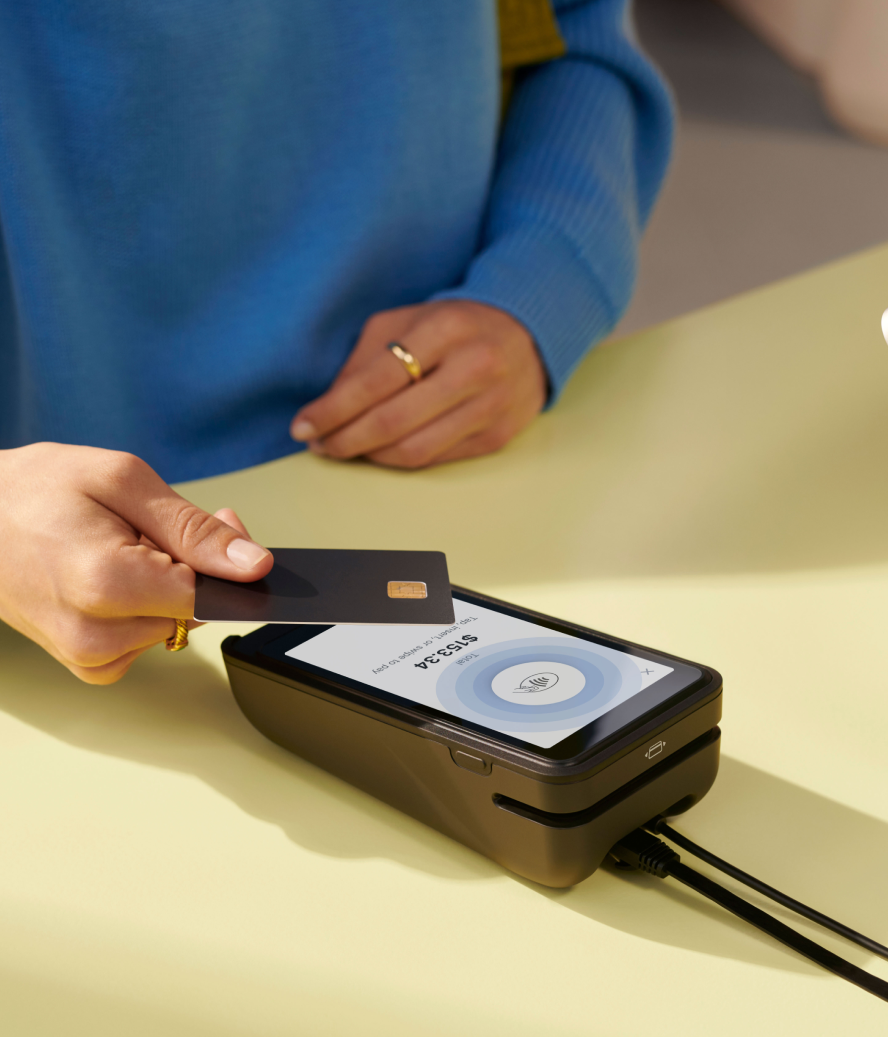

The fastest way to lose a customer isn’t a late shipment—it’s a bad response when they’re upset. This guide shows you how to deal with angry customers using practical de-escalation tactics you can apply across in-store, phone, chat, and social channels.
Key Takeaways
- De-escalate first, solve second: use active listening and paraphrase the issue + impact before offering options.
- Stay calm with a repeatable routine: breathe, ask clarifying questions, and acknowledge what you heard to prevent escalation.
- Own mistakes and present clear choices: apologize when you’re at fault, then offer 1–3 concrete next steps (refund, replacement, timeline).
- Set boundaries for abuse: define what behavior you won’t tolerate, escalate when needed, and document every incident for consistency.
How to deal with angry customers in 2026 (omnichannel reality check)
Even if your store experience is great, customer service in 2026 is rarely limited to the sales floor or a phone call. Customers expect fast, consistent help across live chat, email, SMS, social DMs, and public review platforms—and many teams now use AI-assisted tools to draft replies, summarize conversations, and route tickets.
The core de-escalation skills in this guide still apply, but you’ll get better outcomes when you adapt them to where the conflict is happening.
- Instagram DM escalation (2025–2026 example): A customer messages “This is a scam” after a delayed delivery. Start with a calm acknowledgment, ask for an order number, and move to a secure channel for personal details. If the DM thread gets abusive, set a boundary and offer one next step (e.g., “Reply with your order number and we’ll investigate within 1 business day.”).
- Live chat handoff (2025–2026 example): If a chat turns heated, use a clear escalation path: summarize the issue, confirm what you can do, then offer a manager callback or a higher-tier agent. Keep the customer from repeating themselves by pasting a short summary into the ticket before transferring.
- Negative Google review workflow (2025–2026 example): Respond publicly with empathy and a brief next step, then take the details private. Internally, log the incident (order ID, timeline, resolution) so your team can spot patterns and prevent repeats.
But it doesn’t need to be complicated — and in fact, you can view dealing with angry customers as an opportunity to put these great customer service tips into practice to make a lasting impact on your business and your customers.
Each time a customer offers their feedback, good or bad, it's an opportunity for retailers to address customer needs.
This is a chance to not only resolve a problem, but to transform someone’s mindset about your brand from negative to positive through your way of handling their concerns.
The next time you come across a shopper who’s less than pleased, keep these strategies in mind to diffuse the situation and turn the interaction into a great customer relationship.
Practice Active Listening
When people get into arguments with each other, each participant rarely listens with attentiveness to what the other is saying. We’re too busy formulating what we plan to say in response to their latest attack.
Instead of getting caught in this cycle when dealing with angry customers, practice active listening instead.
Active listening means listening to understand—not to “win”—and showing the other person you’re following by reflecting back what you heard (for example, by paraphrasing their main point and the impact it had on them).
This doesn’t mean you parrot what your customer says. It means, in your own words, you repeat what they tell you. Practice better listening through paraphrasing, as it also increases your understanding of their point of view.
Use paraphrasing to lower the temperature
Here’s some sample dialogue to illustrate the point:
Customer: “I ordered this item from you 3 weeks ago and it still hasn’t arrived, but your website said it would be delivered within 3 business days if I paid the extra shipping fee! I ordered that item as a gift and I would have never shopped with you if I knew this is what kind of service I could expect. This is totally unacceptable and I want my money back.”
Retailer: “I understand you ordered your item as a gift, and expected better service from our company because of the promise on our website and the extra money you paid to receive it sooner. I get that you feel angry and frustrated about this, and you’d like to request a refund.”
You can better communicate with an upset customer this way because you demonstrate that you received what they said, understood what happened, and get how the situation made them feel.
Most people simply want to be heard and understood. This form of listening allows you to do that for your customers, which can quickly bring the energy down in a heated conversation and lead them to a point where you can engage in a dialogue about solutions.
Keep Your Cool

Nope, the customer is not always right. And that can lead to some infuriating situations, especially when you know they’re to blame for the problem that’s causing their anger.
But matching their emotions won’t get you anywhere except deeper into an argument or fight that could turn into an ugly scene in your store.
You and your employees can practice techniques that make it easier to maintain composure (even when the customer loses theirs). Just like active listening takes practice, so does keeping your cool.
3 tactics to stay calm when a customer is heated
Try these tactics and allow your company time to practice these before anyone is confronted with angry customers:
- Take a deep breath. Keep breathing! We often hold our breath in response to stress. Simply taking deep breaths can keep you calm and even-keeled in tough situations.
- Ask questions. Collecting information first instead of simply reacting to the customer’s emotions can give you time to calm down – and asking questions can soothe customers, too. It forces them to articulate their problem and situation without receiving any blame or accusations from your end.
- Receive and acknowledge the customer’s communications. You don’t have to agree with what the customer says, but you can simply acknowledge them by saying, “I got it,” or “I understand.”
Staying calm doesn’t immediately solve the problem, but it’s one customer service tip that can contain the situation and prevent it from escalating.
Take Responsibility for the Situation and Offer Solutions
Once you’ve lowered the emotional intensity, you can shift the conversation from blame to outcomes—this is where most resolutions (and retained customers) are won.
Taking the above actions can relieve stress and tension. It can also prevent a big public blowout or shouting match.
If you’ve followed the above customer service tips, you can likely diffuse the situation to a point where you can open a dialogue about solutions to a customer’s problem.
You may not be able to completely rectify the cause of the customer’s anger, but you can invite them to talk about potential alternatives that work for them. You can also suggest possibilities as appropriate for the situation.
When you’re at fault: own it quickly
Of course, if you or your store did make a mistake, admit fault, and apologize. Take responsibility for any errors or mistakes. When there’s an error on the retailer’s end, sometimes just taking ownership of the mistake can help calm a furious customer.
When fixing it costs money: treat it as prevention
In that case, you may need to eat any costs you incur to resolve the customer’s frustrations. You should also use this as an opportunity to audit whatever process caused the problem in the first place, and make adjustments as necessary to prevent future issues.
Determine How Much Belligerence You’ll Tolerate
Even calm customers can lose their temper when plans fall apart, money is on the line, or they feel ignored. Your job is to de-escalate when possible—but you also need clear boundaries for abusive behavior.
MORE CUSTOMER SERVICE TIPS Want to learn more from retailers who are embracing modern customer service methods? Check out these 7 retailers who are leading the way to happier customers.
A simple mini-policy your team can follow
Document this in your training materials and make sure every associate knows what to do before a situation escalates. For more guidance on building customer support processes, see Shopify’s customer service resources.
- Step 1: De-escalate and clarify. Use active listening, ask one or two questions to confirm the facts (order number, date, what went wrong), and state what you can do next.
- Step 2: Escalate when needed. Involve a manager or senior agent if the customer requests it, if the resolution requires an exception (refund outside policy, replacement without return), or if the customer is threatening chargebacks, legal action, or public harm.
- Step 3: End the interaction if it becomes abusive. If there’s profanity, slurs, threats, or harassment, set a boundary once, then end the conversation if it continues. If you’re in-store and safety is a concern, follow your store safety procedures and involve security or local authorities as appropriate.
- Always document. Log the channel (in-store/phone/chat/DM), date/time, what was said, what you offered, and the outcome. Save screenshots for social DMs and reviews when relevant.
Boundary-setting scripts (copy/paste)
- In-store: “I want to help. I can do that if we keep this conversation respectful. If the language continues, I’ll need to ask you to leave.”
- Phone: “I’m here to resolve this with you. If the yelling or insults continue, I’ll have to end the call. Would you like to continue so I can review your options?”
- Live chat / social DM: “I can help with this. If the abusive language continues, I’ll end the chat. If you share your order number, I’ll look it up and reply with next steps.”
You may need to deal with equally irrational and emotional customers. When you do, you need to determine how much of their behavior you’ll tolerate.
First, give them a chance to calm down. You may have to take the lead on de-escalating emotions when they run high.
Then, invite them to work with you to resolve the problem. You can express that you want to help, and you’d like their cooperation in addressing their concerns.
Finally, if a customer is being rude, hateful, or just plain mean, you can politely ask them to leave. You’re not required to solve everyone’s problems — and with some customers, there’s no solution you can offer.
Often, their anger isn’t personal—but it can still be about a real issue with the experience. Focus on the facts, acknowledge feelings, and set boundaries if behavior becomes abusive.
Prevention Is the Best Medicine
Ultimately, the best way to deal with angry customers is to prevent them entirely. It’s not always possible, but proactively thinking about your customer experience can help root out potential problems and positively impact how people interact with your products, employees, and your company.
If you can deliver a shopping experience that’s simple and streamlined and provides easy solutions to customer problems that may arise during their journey from browsing to purchase, you won’t need many of the customer service tips above.
And proactively setting up a successful shopping outing saves time and energy that you won’t need to waste on dealing with angry customers. Here’s how to do it.
Keep Your Inventory Organized
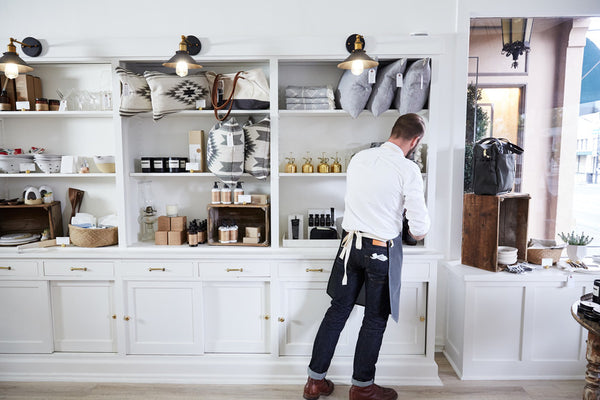
Maintaining a neat and tidy sales floor allows customers to find what they need without hassle. Clear signage can point people to the right areas of the store, but planning a logical store layout and flow for your displays can help too.
Group like items together and curate sections of “frequently bought together” products. Place grab-and-go items near the front of the store, so customers who know exactly what they want can quickly access them.
Take shopper traffic through your space into account, too. Customers should be able to easily navigate around products (and other shoppers) during normal store hours.
If you anticipate a much larger crowd than usual, consider what you can do ahead of time to make it easier for people to move about your store. Can you temporarily take down an endcap or change a display to accommodate more people for the day?
For online shops, make sure your inventory is clearly categorized. You also need a high-performing search functionality, which means each product likely needs to be well-tagged with keywords and phrases so it appears appropriately in customer searches.
Offering the ability to search by a number of fields keeps your online inventory organized for visitors, too. People should be able to filter products (and search results) by factors like newest inventory, price, size, and so on.
You can further assist customers by creating curated collections and directing shoppers to relevant groups of products straight from your homepage. An upcoming holiday, for example, might call for a link to a gift guide organized by price points.
Hire the Right People
At some point, your customers will need to interact with your employees. Whether it’s a salesperson in the store or a customer service rep over the phone, the right people in your company can make a huge impact on the people who shop with you.
When you make hires, look for people who possess the skills and personality traits you desire -—but who also believe in your brand’s mission and vision. Your employees should not only agree with your company values, but embrace them and feel comfortable acting on them.
In addition to having the right people, you want to hire enough of them! Make sure you have enough staff on hand to deal with customer demands at every point: on the sales floor, at checkout, for customer service needs and additional support.
You may need to bring on additional employees on a seasonal basis if you experience busy periods -- and then train these hires and all others so they’re empowered to deliver great customer service.
They need to know:
- Desired outcomes for customer service interactions and any frameworks you want them to follow
- Who to reach out to if they get into a situation they know they need help with (or what to do if they can’t get to their designated person)
- The rules and guidelines, and which are flexible and which ones can be broken on a case-by-case basis
- How much ownership they have over their own positions to make judgment calls as necessary
- What’s unacceptable, under any circumstance
Use the Right Tools to Design a Smooth, Seamless Customer Experience
Whether your store is brick and mortar or virtual (or both!), the right tools can help you create a wonderful customer experience that leaves shoppers feeling satisfied. And a point-of-sale system that fits your needs is one of the top tools retailers need.
Using the right POS system can make your checkout process fast, accurate, and personalized. It can also help you delight customers after sales by providing the data you need to create individualized offers for return visits. Personalization can help encourage repeat purchases when it’s based on customer preferences and purchase history (and when it’s used in a way that feels helpful—not intrusive).
Your system can also help you track all parts of your business, from ordering and inventory to sales and shipping. This helps you create a smooth, start-to-finish pipeline for your products so they get to your customers with less snags along the way.
Robust point-of-sale software can also help you make payments mobile and more flexible, allowing you to adapt to any sales environment. Have salespeople check out customers on the sales floor if the cashwrap gets too busy, or accept various forms of payment if you’re out at an expo or event.
What Customer Service Tips Will You Implement?
While this isn't a comprehensive list of customer service tips, we've included some takeaways to help you get started (and to incorporate in customer service training for your staff, if needed).
What are your favorite customer service tips? What tactics work best in your retail business? Share your experiences in the comments below.
Read more
- How to Use Gift Cards to Build Customer Loyalty
- Tap Into These Key Customer Triggers to Optimize Your Retail Loyalty Program
- 12 Ways for Retailers to Cope With Customer Complaints
- What is Community Retailing? [+ 4 Tactics to Build Your Loyal Community Today
- Order History: How Tracking Customer Purchases Can Help You Make More Sales
- Omnichannel Loyalty 101: Definition, Benefits, Trends, and Examples
- Identify Business Gaps and Build Customer Empathy with Customer Journey Mapping
Note: Google reduced visibility for FAQ rich results in 2023, so this FAQ is primarily here to help readers quickly find answers. Learn more in Google’s update: HowTo and FAQ rich results changes.
How to Deal With Angry Customers FAQ
What are the 6 steps of dealing with an angry customer?
- Remain calm: It is important to remain calm and composed when dealing with an angry customer. Avoid getting into a heated argument or escalating the situation.
- Listen: Listen to the customer and try to understand their point of view. Acknowledge their feelings and provide a sense of understanding.
- Apologize: Apologize for the inconvenience or problem that caused the customer to become angry.
- Identify solutions: Identify solutions to the problem and suggest ways to resolve the issue.
- Follow up: Follow up with the customer to ensure the issue has been resolved.
- Learn from the experience: Reflect on the experience and look for ways to improve customer service in the future.
What to say to a customer who is angry?
I’m sorry this happened, and I understand how frustrating this is. If you share your order number (or receipt), I’ll review what happened and outline the next steps we can take right now.
How do you handle difficult customers?
Stay professional, listen for the facts and the impact, and offer clear options. If the customer becomes abusive, set a boundary and escalate to a manager or end the interaction according to your team policy. Document what happened so you can follow up consistently and prevent repeat issues.
How do you deal with angry customers without breaking policy?
Start by acknowledging the frustration and confirming the facts (order number, dates, what was promised). Then offer the options your policy allows and explain the timeline clearly; if an exception is needed, escalate to a manager so the customer gets a consistent answer.
When should you end a conversation with an angry customer?
End the interaction if the customer uses threats, slurs, harassment, or continued profanity after you set a clear boundary. Offer one next step (like emailing support with an order number), document what happened, and follow your store safety procedures if you’re concerned about in-person escalation.
Turn angry moments into loyal customers
Knowing how to deal with angry customers helps you protect your team, reduce escalations, and recover revenue that would otherwise be lost to refunds, chargebacks, and negative reviews. Put these tips into action by training your staff on active listening, creating a simple escalation/boundary policy, and documenting incidents so you can prevent repeat problems.
If you want to deliver faster, more consistent support across every channel, build your customer experience on Shopify—set up the tools and workflows your team needs, then start improving service today.

