

 Shopify blog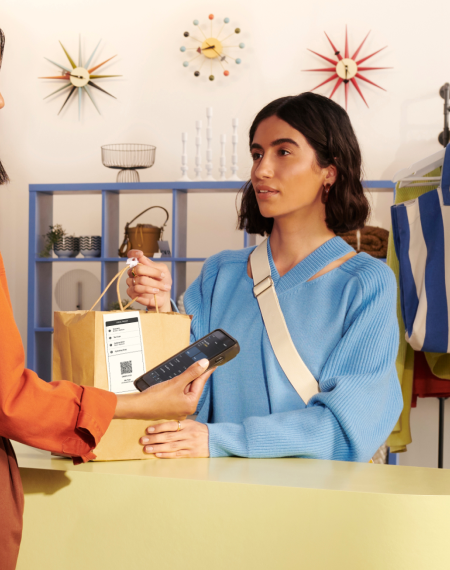

A retail environment is the combination of physical and digital touchpoints that influence your brand and the customer buying journey.
Creating a cohesive retail environment can help retailers stand out as shoppers become more selective. Deloitte’s 2026 Global Retail Industry Outlook found that 4 in 10 Americans are now deal-driven or cost-conscious, while up to 40% of brand value perception comes from non-price factors like quality and service.
This guide covers how to create a retail environment that exceeds buyer expectations, drawing on successful brick-and-mortar and ecommerce examples.
What is a retail environment?
A retail environment combines physical spaces, digital platforms, product displays, customer service, and technology to define your brand and the customer buying journey.
In physical retail stores, window displays attract customers, while layout and signage guide them through the space. Lighting, scent, and music set the mood, and staff interactions add a personal touch. On the digital side, your website, app, and social media channels create a cohesive online presence.
Omnichannel retail environments blend both physical and digital touchpoints. A digital loyalty card that rewards both online and in-store purchases, and personalizes offers, is a common example.
The goal of a curated retail environment is to create a memorable brand experience that improves customer engagement and revenue over time, building lasting connections with buyers beyond simple transactions.
Types of retail environments
Retail environments differ depending on whether they’re physical, digital, or omnichannel. The examples below fall into physical or digital categories, while omnichannel retailers connect customer experiences across both.
Common types of retail environments include the following:
- Pop-up shops are time-sensitive retail locations that let you connect with customers without investing in a permanent store.
- Specialty stores focus on a specific product category or niche market, like apparel, books, or furniture, in smaller spaces with curated selections, themed décor, and knowledgeable staff who offer personalized service and artistic or educational displays.
- Grocery stores sell food and household goods, sometimes including pharmacies or delis, in large, bright spaces with wide aisles organized by category. The layout prioritizes convenience and accessibility through clear signage and logical product placement.
- Department stores are large retailers selling diverse products across expansive, multi-level spaces divided into sections like clothing, home goods, electronics, and cosmetics, each with its own ambiance. Central areas showcase seasonal items, with escalators or elevators connecting floors alongside fitting rooms, restrooms, and customer service desks.
- Online-only retailers sell exclusively through websites or mobile apps, with virtual storefronts built around high-quality images, descriptions, reviews, and easy navigation through search and filters. These stores also offer personalized recommendations and seamless checkouts.
Fifty-four percent of shoppers across surveyed markets planned to buy more in stores, compared to 31% who planned to buy more online. Operating both physical and online storefronts with an omnichannel strategy helps you meet both types of shopping behavior.
Why retail environments matter
Retail environment decisions decide whether customers walk in, stay, and return. For example, stores with more exterior transparency increase entry likelihood because they give shoppers more information about what’s inside.
Consistent product information, pricing, and service across online and offline channels also make branded apps more useful to shoppers and easier to navigate, while frontline staff extend that consistency by guiding product discovery and reducing frustration during a purchase.
Checkout design and customer data connect these touchpoints across a store’s channels, which explains why known customers account for 76% of in-store sales growth, according to Shopify POS Data Claims & Proof Points 2024 data. Store owners who align design, staff guidance, and customer data across channels give staff more context and build stronger customer relationships.
Elements of a compelling retail environment
Every retail environment—physical, online-only, or omnichannel—is built from the same core elements. Understanding these elements helps you identify what to improve in your own store.
Here’s a quick reference table of each retail environment element:
| Element | Purpose | Example |
|---|---|---|
| Store layout | Guides traffic flow and product discovery | A grid layout draws shoppers past aisles to essentials placed at the back. |
| Interior design | Reflects brand identity and directs the customer journey | Reparations Club’s colorful, ’70s-inspired design signals a bookstore unlike any other. |
| Lighting | Sets mood and highlights merchandise | Focused beams make jewelry sparkle; daylight-mimicking light shows clothing’s true color. |
| Music | Sets atmosphere and pacing | Slower-tempo playlists encourage shoppers to linger and browse longer. |
| Window displays | Attracts passersby and previews the brand | Barnes & Noble’s live author readings turn a window into a novel experience. |
| Signage | Directs shoppers and reinforces brand | Gymshark’s minimalist logo signage doesn’t compete with the store’s classic architecture. |
| Scent | Builds emotional connection and encourages dwell time | The Fragrance People’s festival-inspired scents create an immersive shopping moment. |
| Experiences | Balances speed and discovery based on the moment | Cowboy’s interactive in-store games build community among riders. |
| Staff | Adds product expertise and personalized service | Loot Crate’s animated website acts as a "staff member" guiding ecommerce shoppers. |
Store layout
Store layout refers to how you organize displays, signage, merchandise, fixtures, and furniture within your store. Standard layouts include grid, free-flow, herringbone, loop, boutique, and mixed.
The grid layout, popular in grocery stores and supermarkets, entices customers to peruse long aisles and encourages impulse purchases at the front, with essential items strategically placed at the back to draw shoppers deeper inside.
When planning your layout:
- Place high-margin items to the right, as shoppers tend to turn right upon entering.
- Create a decompression zone near the entrance for buyers to orient themselves to your store.
- Keep in mind the traffic flow while positioning products and displays.
- Group complementary items to encourage cross-merchandising.
- Keep the aisles at least 36 inches wide, narrowing to 32 inches only at isolated points like doorways, per ADA accessible route standards.
Checkout placement is also a layout decision, and fewer stores are building their floor plan around a single fixed counter. EHI Retail Institute counted self-checkout in 11,120 German stores in 2025; the number of stores with stationary self-checkout increased 143% compared with 2023.
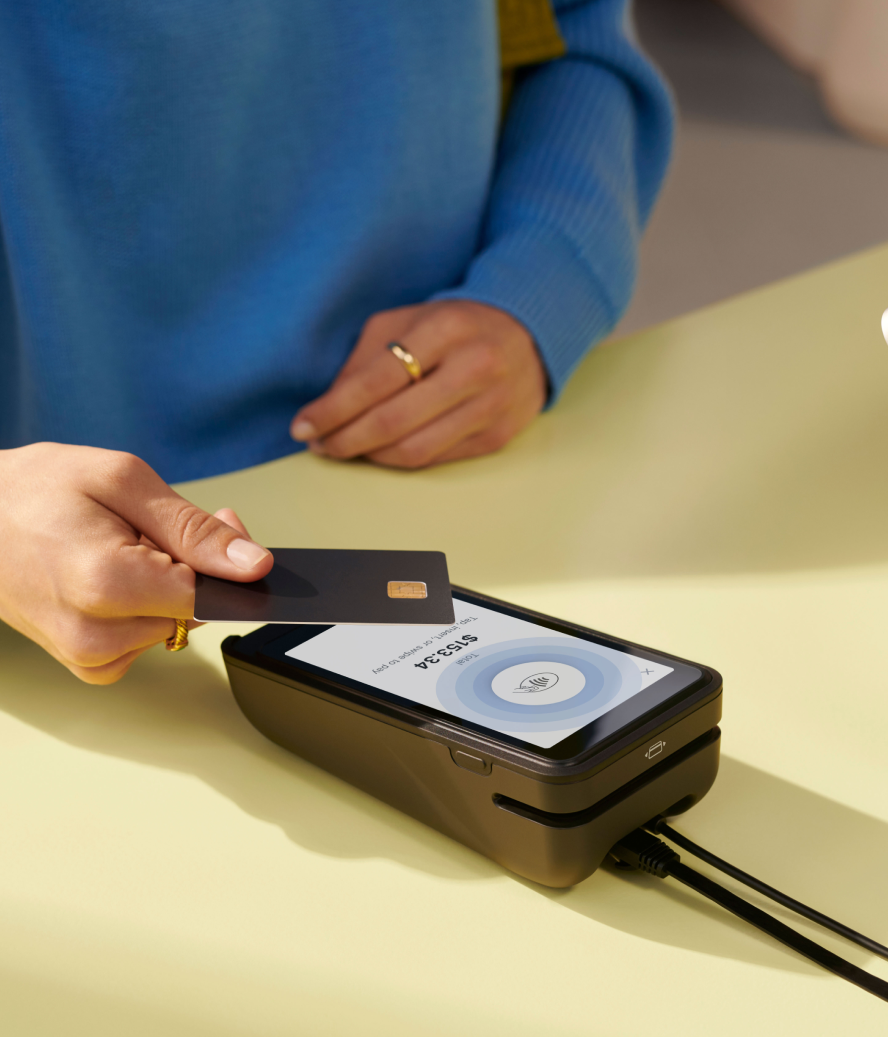
With Shopify’s Tap to Pay on iPhone, you don’t need a fixed checkout desk or extra hardware in your store. Use your iPhone to accept contactless payments, retrieve product information, and process transactions from anywhere.
Interior design
Interior design uses color, layout, and lighting to reflect your brand. It helps merchandise shine and guides shoppers through your product offerings.
When designing a store:
- Create a counterclockwise flow as people naturally veer right
- Use varied floor textures to direct traffic
- Include visual “speed bumps” with striking displays to encourage browsing
- Ensure spacious aisles and strategic checkout placement
- Add screens for promo updates or interactive demos
- Create Instagram-worthy spots to encourage social sharing (free promotion for you)
Your interior design choices should also work to create a distinctive environment that reflects your brand’s positioning and helps customers recognize what makes your brand different from others in a similar space.
Lighting
Your store’s lighting guides the buyers’ gaze and highlights important items. Different products require different lighting. For example, jewelry sparkles under focused beams, while clothing looks best in daylight-mimicking light.
When planning your lighting:
- Use ambient lighting for a comfortable browsing environment
- Add accent lighting on key products so shoppers can see details up close
- Install task lighting at checkout counters and fitting rooms so shoppers and staff can complete transactions and check fit accurately
- Choose energy-efficient LED bulbs for accurate color rendering and lower energy costs
- Rely on natural light with controlled window treatments so shoppers can evaluate true color
- Check local energy codes before installing any fixtures
Music
Music sets a store’s atmosphere and can make the shopping experience feel more connected to the brand. In a 2025 Mood Media survey, 56% of shoppers said on-brand music and timely promotions were the most useful types of in-store content
When choosing music for retail:
- Curate playlists reflecting your store’s style and target audience
- Use slower-tempo music to encourage lingering
- Match genres to store themes (e.g., classical music for luxury physical stores, pop for fast-fashion)
- Keep your music selection fresh to provide a better customer experience and motivate your staff
- Balance volume to create a pleasant atmosphere without becoming distracting or too loud
- Obtain necessary licenses (e.g.,ASCAP or BMI) in order to play music legally
Music licensing requirements vary by location and business type. Check with a licensing attorney or local authority to confirm which permits apply to your store.
Window displays
Window displays are your store’s silent salespeople, working 24/7 to attract passersby and entice them to step inside. You can use the window display to promote new arrivals, highlight special deals, and show off your personality.
When creating window displays:
- Craft an engaging story with exciting props and creative arrangements
- Choose the right window display style for your products—for example, open-back works well for boutiques, while closed-backs suit high-end stores like jewelry
- Use display techniques like shadow boxes for highlighting intricate items or corner displays for multiple viewing angles
- Be experimental, like Barnes & Noble’s window feature of local authors reading in silence, creating an immersive experience for onlookers
- Include digital or augmented reality (AR) elements for a modern and interactive experience
Signage
Retail signage includes all visual communication inside and outside your store, from storefront logos to digital displays. Each piece attracts customers, offers guidance, and promotes your brand.
When deciding on effective signage:
- Use clear and simple messaging with precise details and calls to action
- Choose the correct type of signage for your specific purpose: digital for an interactive experience, outdoor for first impressions, and indoor for navigation and promotions
- Select easily readable fonts, colors, and designs; consider illuminated signage for low-light areas
- Use the International Symbol of Accessibility on signs for accessible entrances, restrooms, parking, and checkout aisles, per ADA sign standards
Gymshark, for example, uses signage in a subtle yet powerful way in its Regent Street store. The bold, minimalist Gymshark logo is easily recognizable, but doesn’t overwhelm the classic architecture.
Scent
Scent marketing uses the primal connection between smell, memory, and emotions to create unforgettable experiences.
It lifts your store’s atmosphere, encourages people to stay longer, and grows sales, according to a field experiment published in the Environment and Behavior journal. The same research also found scent isn’t always positive, so test a signature scent with customers before committing to one.
When deciding on your store’s signature scent:
- Select a signature scent that aligns with your brand personality—for example, the smell of fresh laundry suits a brand that sells bed and bath linens
- Extend the scent experience to ecommerce packaging to make the unboxing experience fun and build emotional connections with customers
- Keep in mind the interaction between the scent and your retail space to avoid mismatches
- Keep your signature scent fresh and consistent across locations, like the Westin White Tea scent or AMC Theaters’ popcorn smell
Indian aromatic product brand The Fragrance People creates an immersive experience in its stores with scents reminiscent of specific festivals.
Experiences
Retail experiences are becoming more interactive and personalized, driven by technology and thoughtful design. Everything from the store atmosphere to customer service affects your customers’ experiences.
Retail experiences fall into two categories: fast and slow. Fast experiences move customers through a purchase with minimal friction, prioritizing speed and convenience. Slow experiences invite customers to browse and linger, prioritizing discovery and connection. Most stores need both, matching the pace of touchpoints to what the moment calls for.
For slow, immersive experiences:
- Train your staff to provide personalized, knowledgeable service
- Design an inviting ambiance with lighting, music, and layout that tempts customers to stay longer
- Keep your store environment exciting by updating displays for seasons, trends, or new collections
- Offer exclusive events or workshops—for example, e-bike seller Cowboy has interactive games for riders to connect with the biking community
For fast, convenience-focused moments, use mobile point-of-sale (POS) systems or self-service kiosks to speed up checkout. Shopify POS offers a seamless omnichannel experience.
Staff
Retail staff directly shape the buyer experience and influence customer loyalty and sales. Staff impact shows up in employment data: US Bureau of Labor Statistics figures show employment in retail trade increased by 492,000 during October, November, and December 2024.
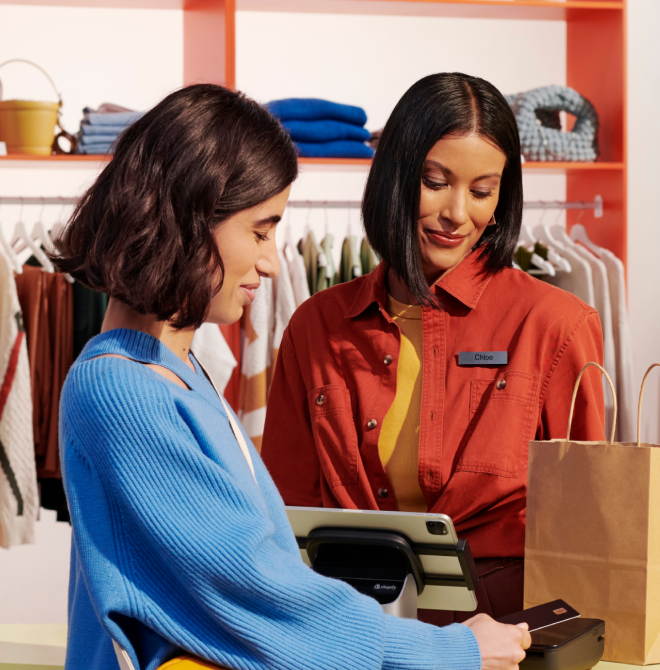
Staff are brand ambassadors, product experts, and strategic contributors. With the right knowledge, permissions, and customer context, they can change the entire customer experience.
When building and growing staff:
- Balance hard skills (product knowledge, POS proficiency) with soft skills (active listening, empathy)
- Build a comprehensive onboarding and ongoing training program
- Offer competitive wages, flexible scheduling, and clear career paths to attract and retain the best employees
- For ecommerce, treat your website as a "staff member." Loot Crate, a subscription box service for gamers and anime fans, uses animation to guide potential customers through its subscription process
Configure user permissions in Shopify to customize how employees use your POS system. Sales associates might manage orders and capture customer contact information.
Brands using Shopify POS achieve an 80% email capture rate in store. Store managers might also create coupon codes and update inventory levels.
Technology and omnichannel touchpoints
Technology’s role in a modern retail environment links every point of a shopper’s journey: research, browsing, purchase, fulfillment, and support, so a customer can move between channels without losing progress or context.
Deloitte’s 2026 retail outlook found 67% of retail executives expect to have AI-driven personalization capabilities within the next year, and SOTI’s 2025 retail survey found 60% of global consumers prefer shopping with retailers that offer a personalized experience. An omnichannel retail strategy connects these expectations to the tools that deliver them.
Here are common points where technology touches the customer journey:
- Point of sale (POS). A unified POS ties in-store and online sales into one system. Shopify POS retailers saw 150% omnichannel sales growth year-over-year.
- Online UX. Clear navigation and product information let shoppers self-serve their way to purchase no matter which device they use.
- Digital displays. In-store screens extend online content like promotions or product videos into the physical space.
- Mobile checkout. Staff can complete a sale from anywhere on the floor, cutting down on lines at a single counter.
- Customer profiles. A shared profile across channels lets a retailer recognize a shopper across any channel. In a 2025 FedEx merchant survey, 50% of merchants planned to use past purchases and 47% planned to use browsing behavior to recommend products.
- Inventory visibility. Real-time stock counts across locations prevent overselling and support options like buy online, pickup in-store.
- Local pickup and delivery. Shoppers can order online and collect or receive locally, bridging a digital purchase with a physical handoff.
- Returns and exchanges. A customer can return an online order in store (or vice versa) without starting over.
- Analytics. Combined reporting shows which channels and touchpoints drive sales.
Each of these tools does one job well on its own. Connected through an omnichannel system, a shopper can start a return online and finish it in store, then get a better recommendation next time based on purchases from both channels.
Retail environment examples
Layout, lighting, technology, and staff each shape the retail environment depending on whether a business sells primarily online, in-person, or across both. The comparison below shows how three Shopify stores apply the concepts from this guide in practice:
| Retail format | Example | Environment characteristics | Customer experience |
|---|---|---|---|
| Digital retail | Kirrin Finch | An online store built around extended sizing and fit guides, backed by an appointment-only showroom in the Brooklyn Navy Yard | Shoppers browse and buy online, then book a 45-minute one-on-one fitting appointment when they want an in-person fit check before a big event, like a wedding. |
| Physical retail | Goodies | A flagship store in Montreal’s Westmount neighborhood that carries pieces from local Quebec makers not sold on the main site, alongside in-store events | Shoppers browse curated home goods in person, discover local-only finds, and attend community events tied to the maker’s story. |
| Omnichannel retail | Astrid & Miyu | Multiple physical stores with piercing studios, a permanent jewelry bar, and Story Chain consultations, connected to an online store, mobile app, and Club A&M loyalty program | A shopper can buy online, book an in-store piercing or welding appointment, and earn loyalty points that carry across both channels. |
Each format leans on a different mix of the elements covered earlier:
- Kirrin Finch’s showroom depends on staff training and one-on-one service rather than store layout or signage, since fit is the whole appointment.
- Goodee’s Montreal store uses physical merchandising and exclusivity to give in-person shoppers a reason to visit.
- Astrid & Miyu connects checkout, customer profiles, and loyalty data across stores and their app, the technology layer that makes an omnichannel experience feel like one brand instead of several distinct touchpoints.
Future-proofing your retail environment with Shopify
As the retail industry evolves, the line between physical and digital continues to blur. Savvy retailers use technology to strengthen, not replace, the human elements of a positive retail environment.
Whether through interactive displays, community events, or personalized recommendations, your goal is to amplify your brand’s personality and create experiences that keep people coming back.
A future-proofed retail environment comes down to five practical shifts:
- Define the environment you want across lighting, layout, scent, and signage, and treat each element as a deliberate decision rather than an afterthought.
- Connect physical and digital touchpoints so a customer’s profile and order history follow them between channels. That connection increasingly extends to fulfillment: DHL’s 2025 sustainability research found 47% of online shoppers would buy only from retailers using a sustainable delivery and returns provider.
- Make checkout flexible with mobile POS, self-service kiosks, or a fixed counter, matching the format to the moment instead of forcing every purchase through one line.
- Equip staff with customer context, like past purchases and lifetime spend, so every interaction feels personal. Brands using Shopify POS see up to 61% more repeat purchases from known customers.
- Measure what’s working with unified reporting that blends in-store and online sales rather than reconciling separate systems.
For multilocation and enterprise retailers, Shopify Plus POS unifies point-of-sale and ecommerce on one platform, giving staff access to customer data across every location.
Shopify’s Winter 2026 retail updates build on that foundation with faster inventory counts and a single editor for receipts and customer displays. Together, these tools give retailers what they need to run a unified commerce experience across every channel.
Retail environment FAQ
What is an example of a retail environment?
A boutique with warm, ambient lighting, a grid layout, digital signage, and mobile checkout is one example of a retail environment.
What is considered retail?
Retail is the sale of goods or services directly to consumers through a physical store, an online store, or both.
Is a restaurant a retail environment?
While restaurants primarily offer services, they can be considered a type of retail business environment, as they sell food and beverages directly to consumers. However, they are categorized separately as part of the hospitality industry.
What is a characteristic of a retail environment?
A retail environment’s characteristics include retail store layouts and design, atmospherics, visual merchandising, sensory marketing, product assortment, technology integration, and customer service.
What role does technology play in a modern retail environment?
Technology connects touchpoints like POS, online stores, customer profiles, and analytics so shoppers can move between channels without losing progress.


