

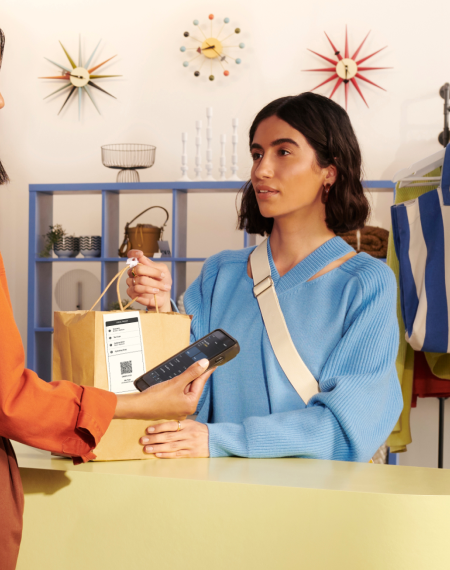
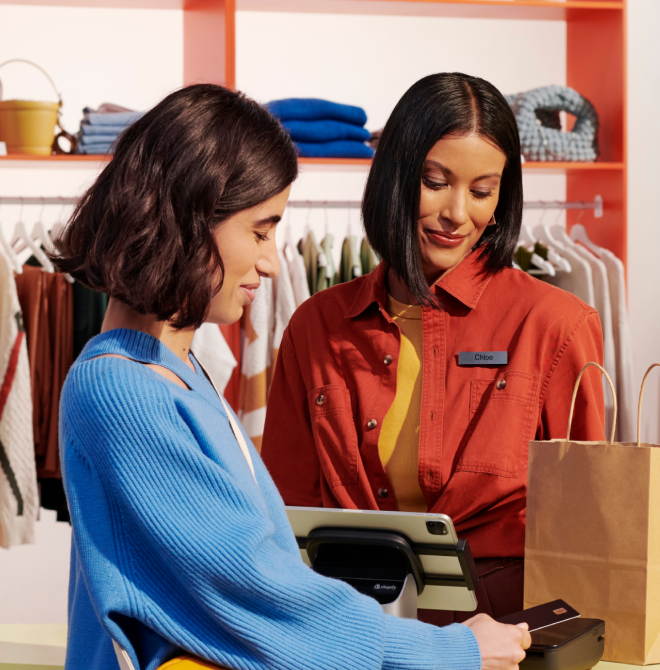
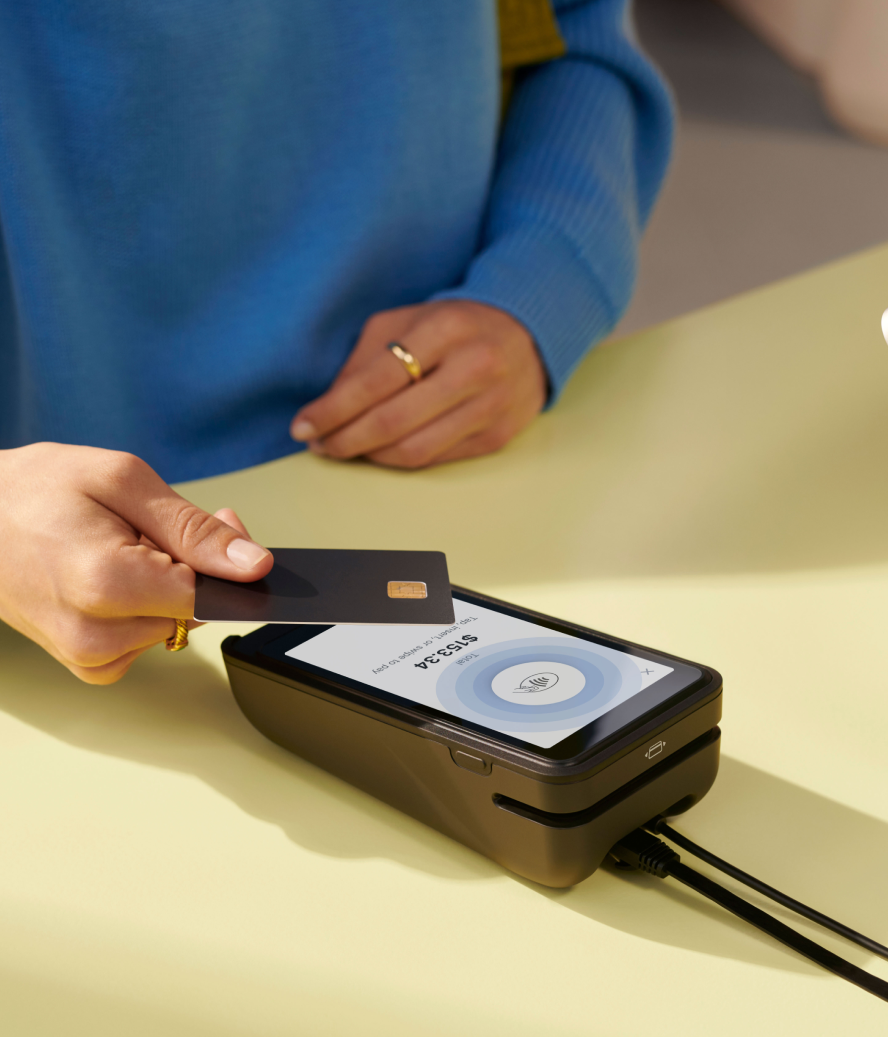

 Returns don’t just cost you money—they quietly drain time, inventory, and customer trust. What if you could cut return friction and bring more shoppers into your store at the same time? That’s exactly what click and collect in retail (in-store pickup) is designed to do when it’s executed well.
Key Takeaways
- Use in-store pickup to reduce return shipping and resolve fit/quality issues on the spot before customers leave.
- Increase add-on revenue by designing the pickup handoff like a sales moment (clear signage, quick service, and nearby impulse items).
- Promote pickup before checkout—on product pages, shipping policy pages, and order updates—to drive adoption and foot traffic.
- Track operational benchmarks (order-ready time, pickup wait time, pickup success rate) to improve execution and ROI.
When it comes to maintaining a healthy bottom line, returns may feel like a retailer’s kryptonite. But offering flexible fulfillment options, like click and collect (in-store pickup), can help reduce the need for returns and exchanges and keep sales strong.
In-store pickup (also known as click-and-collect) lets online shoppers choose pickup as a delivery method at checkout. This is especially beneficial because they can get orders faster and avoid shipping fees. Shopify’s click-and-collect overview highlights that pickup has become a mainstream option in modern retail, particularly for shoppers who want speed and certainty.
Ordering online and collecting in store is big business in commerce. By letting a customer check size, color, and shape before walking out—and by creating a better moment for upselling at pickup—many retailers use click and collect to help reduce returns and increase in-store add-on purchases, while offering highly valued flexibility.
In the US, click-and-collect continues to be a meaningful part of omnichannel shopping behavior. Shopify’s click-and-collect report (citing industry research) notes that a significant share of pickup shoppers make an additional purchase when they arrive to collect their order—an important reason retailers invest in making pickup fast and reliable.
As adoption has grown, the biggest opportunity has shifted from “should you offer pickup?” to “how well do you execute it?” Shopify’s click-and-collect guide outlines how clear pickup messaging, accurate inventory, and a smooth handoff can improve customer satisfaction and help drive repeat visits.
And as this option becomes more popular, more customers place their trust in brands that offer reliable pickup. Demand also tends to spike around major shopping moments, when shoppers want more control over delivery timing and prefer the certainty of picking up on their schedule.
A Brief History of Game-Changing Shipping Options
This section looks at how changing delivery expectations helped make click-and-collect a mainstream fulfillment option.
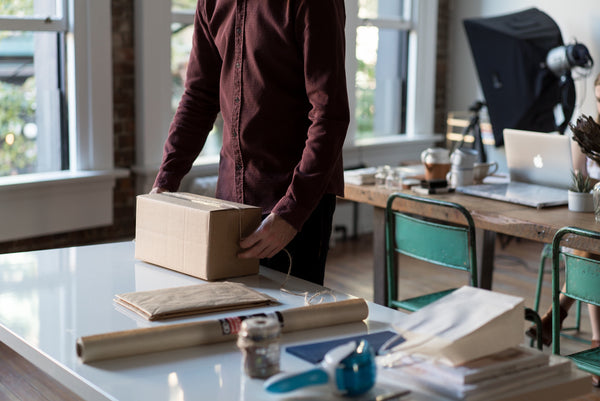
Based on these trends, click and collect is likely to remain an important fulfillment option. Like the way Amazon changed customer expectations when it began offering fast, low-cost delivery, the ability to order online and pick up in store whenever it’s convenient has become an expectation for many shoppers. Delivery speed and convenience can still make or break a sale.
With advancing technology, retailers have also expanded options like same-day delivery. Where these options are implemented well, they are changing customer expectations and are becoming standard options many shoppers look for. Retailers who don’t offer flexibility can risk falling behind competitors who do.
With the growing number of ways to get a product into a customer’s hands, in-store pickup has become a core part of omnichannel retail. For many businesses, adding flexibility is less of a nice-to-have and more of a must-have.
For example, Shopify’s click-and-collect analysis cites eMarketer reporting that 44% of click-and-collect shoppers buy at least one additional item while picking up their order.
That’s why there’s business sense in offering an additional fulfillment option, particularly click and collect. It can act as a differentiator for your business and increase in-store foot traffic and add-on sales. There’s a good argument to invest now and get ahead of the trend, rather than being forced to make the investment later in order to play catch-up.
How to Measure Whether Pickup Is Worth It
When it comes to the return on your investment, it’s important to implement in-store pickup effectively, and you’ll want to know whether it was worth it. Seek out customer feedback once they experience your pickup option to iron out any kinks and make the process as seamless as possible.
Track how many customers come in to collect their product, and then monitor how many bought something else at the same time. If those numbers are strong, you have a clear signal that it’s worth expanding and improving this offering.
You can use your point-of-sale system, POS system, inventory management software, and/or your other sales fulfillment tools to keep an eye on these metrics.
To help increase conversions on your website, learn how to build a clickable call to action button.
The Benefits of Offering In-Store Pickup
This section covers why click-and-collect is popular with shoppers and how it can help retailers reduce returns and increase add-on sales.
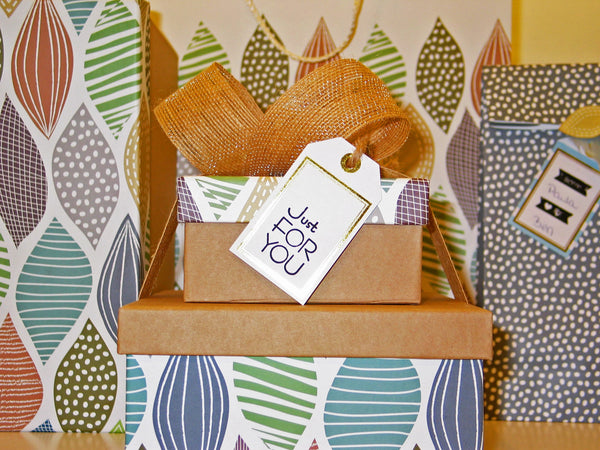
So, why is click and collect so popular? It’s a strong “best of both worlds” option: customers get the speed and control of pickup, while retailers can create a better in-person experience at handoff.
Convenience for Mobile Shoppers
It’s perfect for busy shoppers who can order during the day and pick it up on the way home. It’s also popular for routine purchases (like groceries) where customers want to avoid browsing aisles and waiting in line.
If you sell a product customers buy regularly, they may love the chance to skip long queues. Retailers often find that added flexibility turns occasional customers into repeat customers.
Third-party pickup location services (like lockers and partner pickup points) can also expand convenience beyond your own storefront. For smaller retailers, that can mean offering pickup in more places without opening new locations.
In the UK and other markets, click-and-collect availability varies by retailer and category. If you already offer pickup, consider whether you can also offer local delivery or additional pickup options—an opportunity that’s worth exploring.
Removing the Possibility of Damaged Goods
Click and collect is also ideal for bakeries, florists, and retailers selling delicate or perishable items. By offering in-store pickup, the risk of damage in transit is taken out of the equation—which is great for the bottom line as well as customer satisfaction. In the past, a customer would have to call up to arrange collection, but now it can be available natively during the checkout process.
Reducing Returns and Exchanges
Pickup can be especially helpful for categories where fit and feel matter. By picking up when it’s convenient, customers can quickly confirm the item matches expectations (color, size, materials) before they leave.
If it’s not quite right, they can often swap it on the spot. From a retailer’s perspective, that can help reduce the operational cost of returns by resolving issues immediately and keeping the customer satisfied.
In-Store Sales: An Opportunity for Upselling
In addition to the benefits above, there’s also strong potential for add-on purchases. Shopify’s click-and-collect report cites eMarketer reporting that 44% of click-and-collect shoppers buy at least one additional item while picking up their order.
The value proposition, then, is not just adding cost and complexity to your business so you can offer flexibility for your customers. Deployed well, you can reduce costs while also generating extra revenue.
What’s important to recognize here is that this isn’t just an occasional passive benefit: by putting emphasis on the pickup experience, you can maximize add-on opportunities.
How to Implement Click and Collect in Retail (In-Store Pickup) Without Creating New Problems
This section focuses on execution details that help pickup reduce returns and increase foot traffic without creating delays or frustration.
Benefits are only half the story—execution determines whether pickup reduces returns and increases foot traffic, or creates delays and frustration.
Set Clear Operational Benchmarks (Then Improve Them)
What do merchants need to pay attention to? Getting the correct order ready at the agreed-upon time is a first step. If you want to keep this section data-driven, use a current operational benchmark from your own store (order-ready time, pickup wait time, and pickup success rate) rather than relying on older third-party survey figures.
Train and Incentivize Staff Like Pickup Is “Real” Sales
It’s well worth spending time with your team to make sure that pickups are seen as a core business activity, and treated with the same regard and professionalism as traditional sales. This can help ensure that customers don’t feel treated as an oddity.
Beyond getting the basics right, retailers can make improvements to the way they handle on-the-spot returns and upselling. Make sure that everyone on the team responsible for handling pickups is treated and rewarded in the same way as your regular team, particularly if you’d like them to add value through upselling.
Choose a Pickup Location That Encourages Add-On Purchases
Beyond your team members, where will customers collect their products? If shoppers pick up their purchases from the main checkout counter, merchants can benefit from the point-of-purchase displays you’ve put in place to entice shoppers at checkout.
Selfridges offers 30 minutes complimentary parking for Click & Collect customers at its London store (see current terms). Not only does this incentivize customers to use this shipping option, but it allows them a bit of extra time to browse while they’re in store. Can you offer any similar added benefits?
Market Pickup Before Checkout (Not Just During Checkout)
Many brands also fall down when advertising their pickup options. It’s a missed opportunity to only mention it during checkout. Promote pickup on product pages, in your shipping policy, in email/SMS order updates, and in-store signage.
The more online customers you can encourage to use in-store pickup, the more opportunities you create for add-on purchases and customer satisfaction. And there’s also the chance to build brand loyalty if those customers have a great experience collecting from you.
Have You Used Click and Collect Shipping Options?
What’s your experience with in-store pickup? Share your tips and advice in the comments below.

About The Author
Disclosure: The author is the founder of Zapiet, a Shopify App Store app for pickup and delivery, and this post may reflect that perspective.
Andrew Cargill is the founder of Zapiet, a pickup and delivery app merchants can find on the Shopify App Store. A long-time Shopify champion, Andy co-founded a web development agency in 2011 that specialized in ecommerce before he began building apps.
Read more
- How to Deal With Retail Returns Professionally and Profitably
- Lightspeed vs Shopify POS: The Best of All Lightspeed Alternatives
- How To Integrate Your Point of Sale With Shopify
- 5 Strategies to Future Proof Your Brick-and-Mortar Store
- How Retail Store Owners Can Optimize Their Mobile Presence
- 18 Signs It’s Time to Switch POS System Providers
- Chatbots for Retail: What Are They and How Retailers Can Use Them to Spark Sales
Frequently Asked Questions
What is click-and-collect (in-store pickup)?
Click-and-collect lets customers buy online and choose a store pickup option at checkout. It reduces shipping time and fees for shoppers while giving you a chance to deliver a smooth handoff that can increase satisfaction and repeat visits.
How does click and collect in retail help reduce product returns?
Pickup allows customers to confirm size, color, and quality before leaving, which can prevent “buyer’s remorse” returns and shipping-related damage claims. If something isn’t right, staff can often swap the item immediately, resolving the issue on the spot.
How do you increase add-on sales during in-store pickup?
Treat pickup like a sales moment: make the pickup point easy to find, keep wait times low, and place relevant impulse items nearby. Train and incentivize staff to suggest complementary products in a helpful way, not a pushy one.
What should you measure to know if in-store pickup is working?
Track order-ready time, pickup wait time, and pickup success rate, then compare add-on purchase rates for pickup customers versus other fulfillment methods. Pair the numbers with customer feedback to identify friction points you can fix quickly.
What is a good return rate for a product?
There is no one-size-fits-all answer to this question, as the ideal return rate varies by product category, price point, and customer expectations. Return rates also vary widely by category (for example, apparel is typically higher than home goods). Set a target based on your category, your historical performance, and the customer experience you want to deliver.
What are the reasons to return a product?
- Defective or damaged product
- Wrong product received
- Wrong size or color
- Unsatisfactory quality
- Changed mind
- Unclear product description
- Product arrived too late
- Unhappy with customer service
Turn Pickup Into a Repeatable Growth Lever
When you implement click-and-collect well, you get a rare win-win: fewer return headaches, more foot traffic, and more chances to earn add-on revenue at the handoff. Start by tightening the basics (inventory accuracy, order-ready speed, and clear pickup messaging), then promote pickup beyond checkout so more shoppers actually choose it.
Ready to make click and collect in retail a reliable part of your fulfillment strategy? Set up your pickup experience, measure it weekly, and keep iterating—then use Shopify to unify online orders, in-store operations, and customer experience so you can grow with confidence.


