

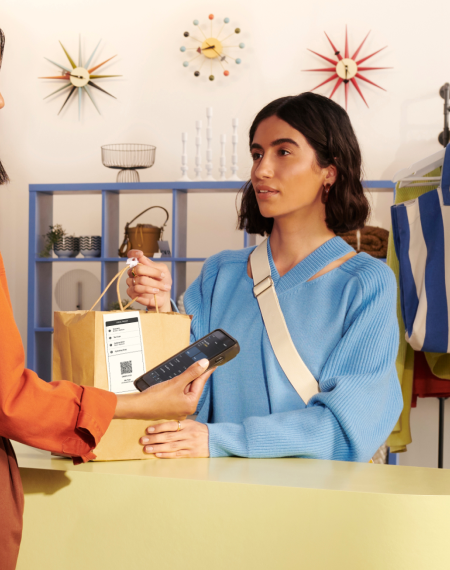
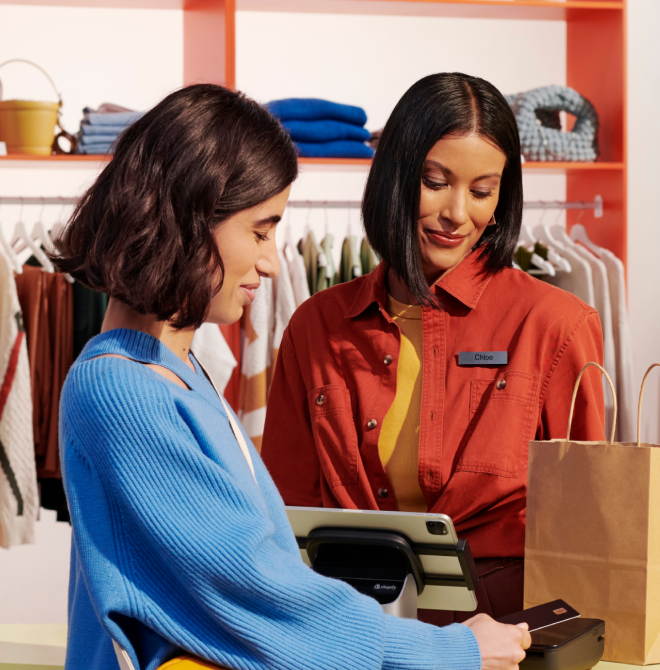
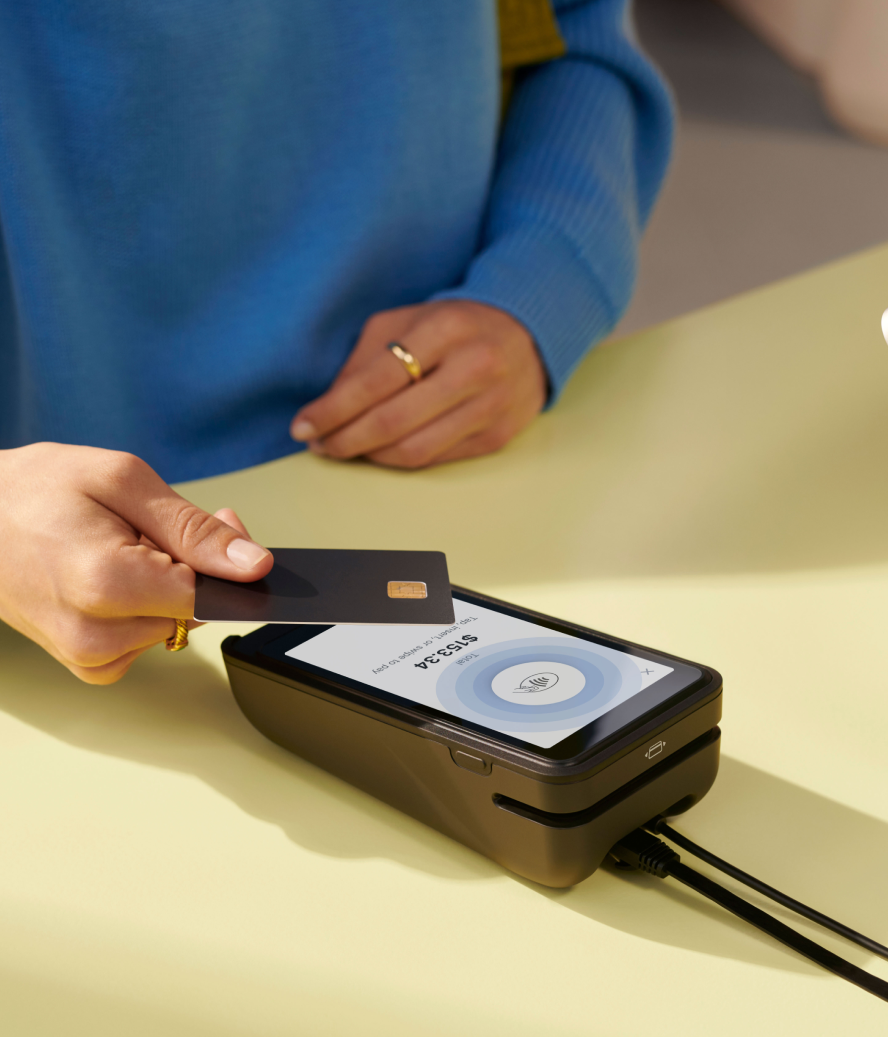

What if your packaging could do more than protect a product—could it actually drive repeat sales? Retail unboxing turns delivery, local drop-off, and pickup into a branded moment customers remember (and share), even when they never set foot in your store.
Key Takeaways
- Treat retail unboxing as a revenue lever: use packaging to reinforce your brand, increase loyalty, and encourage repeat purchases—not just to ship safely.
- Start with one high-impact upgrade: add a clear exterior brand element (logo/color/tagline) plus a simple insert (care/how-to/brand story) to improve the experience fast.
- Design for the channel: shipped orders need protection and presentation; BOPIS/curbside packaging should prioritize speed, clarity, and easy carrying.
- Measure what matters: track damage/returns, repeat purchase rate, and packaging-related support tickets to prove your unboxing changes are working.
Anticipation is a big part of the shopping experience.
Whether you go into a store knowing what you're looking for or are just browsing, the reward of finding and buying the perfect product keeps you coming back.
As online ordering, local delivery, and pickup have become standard, packaging is often the first physical touchpoint a customer has with your brand. In a Yotpo consumer survey from March 2020, 43.2% of respondents said they planned to do more of their shopping online.
"In a Yotpo consumer survey from March 2020, 43.2% of respondents said they planned to do more of their shopping online."
Retail store owners can use packaging to bring more of the in-store experience into delivery, shipping, and pickup moments.
This is where retail unboxing comes into play.
What is an unboxing experience?
"Unboxing experience" refers to the use of creative, experiential packaging to create a memorable experience for customers when they open products that you've shipped to them (or wrapped up for curbside pickup!).
A unique unboxing experience can replicate the anticipation and reward customers get from shopping in person. Think of it as a form of experiential retail, except instead of your storefront, you're delivering those experiences via convenient fulfillment options like buy online, pickup in-store, in-store pickup, or delivery.
Still not sure if investing in unboxing experiences is worth it? Consider these benefits.
What are the benefits of unboxing experiences?
Creating a retail unboxing experience allows retailers to accomplish several things.
1. Reinforces your brand
Without a doubt, opening any retail location takes incredible planning and execution. A storefront is the physical representation of your brand. But so is your packaging. The good news is you can offer experiential retail through unboxing without breaking the bank.
Take Milk Bar as an example. A dessert shop turned internet sensation for its off-the-wall confections, Milk Bar has physical locations on the east and west coast that have become tourist destinations.
Milk Bar has used branded delivery packaging to extend its in-store experience to customers at home. They’ve created a doorstep unboxing experience that nearly mimics the excitement of that in-store purchase. You’re guaranteed to start salivating when you see their pink logo on the side of the box!
When creating a unique unboxing experience, you can take certain creative liberties. For example, try new taglines, logo iterations, and brand elements you may not have tried before.
Your packaging can be an extension of your storefront. This is an incredible asset for retail locations when customers split purchases across online, delivery, pickup, and in-store shopping.
2. Allows you to tell your brand story in a non-salesy way
When you create a meaningful retail unboxing experience, you communicate your value proposition in a tangible way. You can reinforce what makes your products special and different during the unboxing.
Coco & Breezy, a sister-owned eyewear brand, is giving off big brand vibes. Its sleek glasses boxes are subtle but powerful sales tools.
Want to learn more about Coco & Breezy? Check out From Lemonade Stand to Successful Eyewear Brand: How Coco & Breezy Grew Their Business on the retail blog or your interview with them for the Resilient Retail podcast!
Packaging can be a great way to do this type of storytelling without an in-your-face sales pitch.
Include a postcard or attention-grabbing item that helps tell your company history, your brand story, or your core values. This creates a visual interaction with your brand on the customer’s terms as they’re unboxing your product.
3. Makes your customers feel valued
Product packaging can look a lot of different ways, but at the end of the day, it temporarily houses goods and is going to get thrown away or recycled. So anything beyond a standard mailer or box is for an enriched unboxing experience. This communicates value.
The proof is in both the product and the packaging. The delivery of goods is the last step of a transaction, and in a remote shopping experience, this counts for a lot.
Paper Twist, a paper store with a single storefront in North Carolina, gets it. Wrapping subscription boxes for pickup makes your customers feel like it’s Christmas morning.
Being able to show you appreciate your customers through the way you present your products is a key ingredient in today’s market. It’s a value-add, and it goes a long way in encouraging repeat business.
4. Creates curiosity in your other products by cross-selling
When browsing happens across channels, it can be harder to spark interest in other products than it is with a carefully merchandised store display.
This is where product packaging can be a key ingredient in cross-selling.
Take Lush Cosmetics. In May 2020, Lush launched letterbox hand care kits as a pandemic-era merchandising example to bundle complementary products into a single box with a purpose (see Lush’s press release). This exposes customers to products they've never seen before and creates curiosity about what other kits and timely products Lush has to offer.
This is all accomplished through market relevancy and product presentation.
5. Fosters customer loyalty and ambassadorship
The way you make a customer feel is a huge part of the sale. But how can you measure that?
One good indicator of a positive buyer emotion is customer loyalty. Defined as faithfulness and commitment to a brand, customer loyalty drives retained business and repeat purchases.
According to Yotpo (last updated November 14, 2023), 37% of consumers consider themselves loyal to a brand only after making five purchases. But well before the loyalty stage, you can make customers ambassadors via digital word of mouth with the help of social media.
The power of the influencer should not be underestimated. The way you present your goods can kindle a sense of pride in your customers that's worth boasting about and sharing.
Eye-catching packaging can make it easier for customers to share photos or unboxing videos on social media.
How do I create a good unboxing experience?
With so many packaging options and elements, it can be overwhelming to know where to start. Here’s a list of five tips to help guide you as you make decisions about what type of unboxing experience you want to create for your customers.
1. Use your branding
Branding is important—aim to include at least one clear brand element (logo, brand color, or tagline) on the outer packaging so customers immediately recognize it’s from you.
Even if the only branding you have defined for your company is your main logo, that’s fine. Make it easy to spot at a glance.
2. Focus on functionality and presentation
Prioritize function first—make sure the packaging protects the product—then add presentation elements that don’t compromise durability or shipping costs. From there, ask these questions:
- What do you want the customer to see first when they open the package?
- Do you want the customer to have to untie/reveal/open a second interior package?
- Are the products arranged in a way that makes sense and is orderly?
- How can you jazz up the mundane/necessary elements, like fasteners and clips?
3. Use unique materials and choose sustainability
One way to differentiate your retail unboxing experience from others is by choosing unique materials. Unique can mean the material composition itself, but it can also mean unique in the way you’ve acquired it.
Get creative and think about sources within your community for packaging. In doing so, you’re reducing the impact of shipping from major suppliers.
When possible, choose lower-impact packaging (recycled or recyclable materials, right-sized boxes, minimal void fill) and clearly label how to recycle or reuse it. Learn more in Shopify’s sustainability guide for retail.
4. Add personalization
A touch of personalization is the cherry on top. Would you rather receive a package that has a handwritten note addressed to you or a standard printed order receipt form?
5. Include samples, goodies and extras
A great time to give customers a little something extra is when their appreciation and impression of your products is at its height. This could be a postcard with a coupon code for their next purchase, a free sample, or a free goodie or piece of swag.
Investing in retail unboxing as an opportunity to drive revenue
As shopping continues to blend online and offline, retail unboxing is one of the most controllable moments you have to deliver a consistent brand experience—whether the order is shipped, delivered locally, or picked up.
It’s worthwhile to invest in unboxing experiences when you want to make delivery and pickup feel as intentional as shopping in-store.
Product packaging is a powerful tool that can help businesses expand their brand story, make customers feel more valued, and encourage more product sales and loyalty.
Read more
- Product Branding: How to Give Products an Identity
- How To Integrate Your Point of Sale With Shopify
- 18 Signs It’s Time to Switch POS System Providers
- Shipping Success: Put Your Customer In Control of Delivery Options
- How Retail Store Owners Can Optimize Their Mobile Presence
- Going Mobile: 6 Reasons to Invest in Your Own Retail Store App
- Click and Collect: Reduce Returns And Increase Foot Traffic With In-Store Pickup
- 5 Strategies to Future Proof Your Brick-and-Mortar Store
- Lightspeed vs Shopify POS: The Best of All Lightspeed Alternatives
Frequently Asked Questions
What should be included in a retail unboxing experience?
- The product, plus any required parts or accessories.
- Protection that matches the product (inserts, dividers, padding) to prevent damage in transit.
- One clear brand element on the outside (logo, brand color, or tagline) so it’s instantly recognizable.
- A simple insert (care instructions, how-to, or a short brand story) that helps customers get value fast.
- An optional “next step” (QR code, reorder reminder, or small offer) that feels helpful—not pushy.
What is product unboxing in retail?
In retail, product unboxing is the moment a customer opens your package and experiences your brand—packaging, inserts, presentation, and any personalized touches—before they use the product.
How can you create a great unboxing experience on a budget?
Start with one high-impact, low-cost upgrade: a branded sticker or stamp, a single-color tissue wrap, or a short printed insert. Keep the box right-sized to reduce shipping costs, and focus on a clean, consistent presentation rather than expensive extras.
What are practical sustainability upgrades for unboxing?
Use right-sized packaging, minimize void fill, and choose recycled or recyclable materials where possible. If you include tissue, stickers, or inserts, keep them easy to separate so customers can recycle correctly, and add a short note explaining how to dispose of each material.
What should you include for BOPIS or curbside pickup packaging?
Prioritize speed and clarity: a sturdy bag or box that’s easy to carry, a visible order label (name/order number), and a simple insert with return/exchange instructions. If the product is a gift, add an option for a gift note or a clean receipt-free packing slip.
How do you measure whether your unboxing experience is working?
Track product damage/return rates, repeat purchase rate, and customer support tickets related to packaging. You can also add a post-purchase survey question (for example: “How would you rate the packaging experience?”) and monitor customer photos or mentions that show the package.
What should you avoid when designing unboxing?
Avoid overpacking (big boxes with lots of filler), hard-to-open layers that frustrate customers, and materials that shed (like excessive glitter) or can damage the product. If you add extras, make sure they don’t increase breakage risk or push shipping costs into a higher tier.
Turn your next shipment into a repeat purchase
The best retail unboxing experiences do three things well: they protect the product, make your brand feel intentional, and guide customers toward a clear next step (reorder, try a related item, or share). Pick one upgrade from the tips above, test it for a week or two, and watch what happens to returns, support tickets, and repeat orders.
When you’re ready to connect pickup, local delivery, and online orders into one smooth workflow, set up your store with Shopify and start building a brand experience customers want to come back to.

