

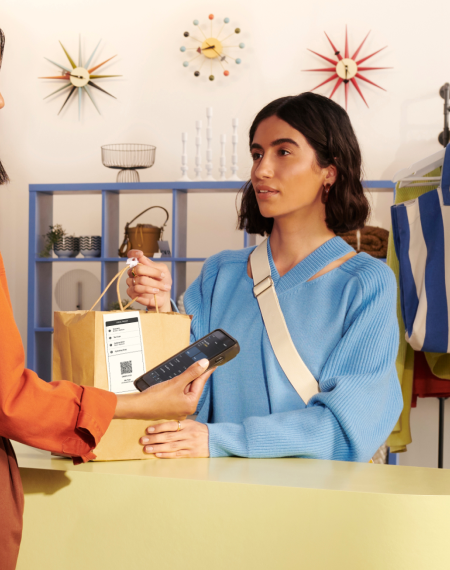
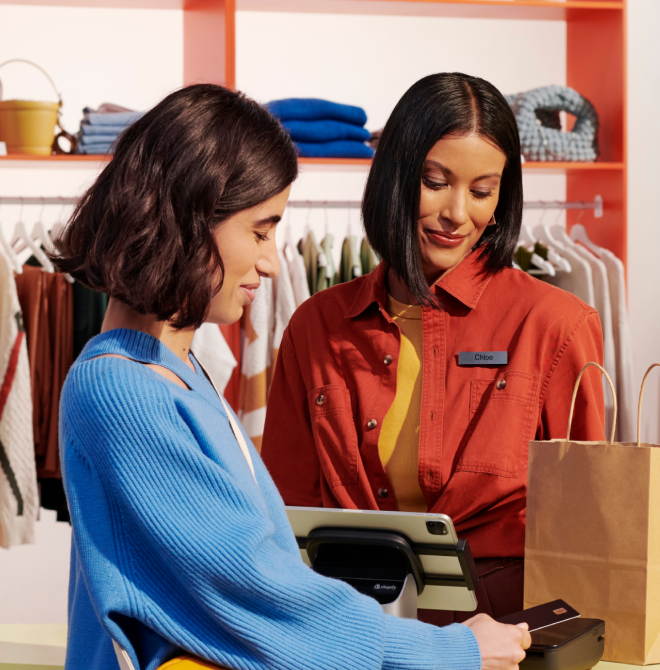
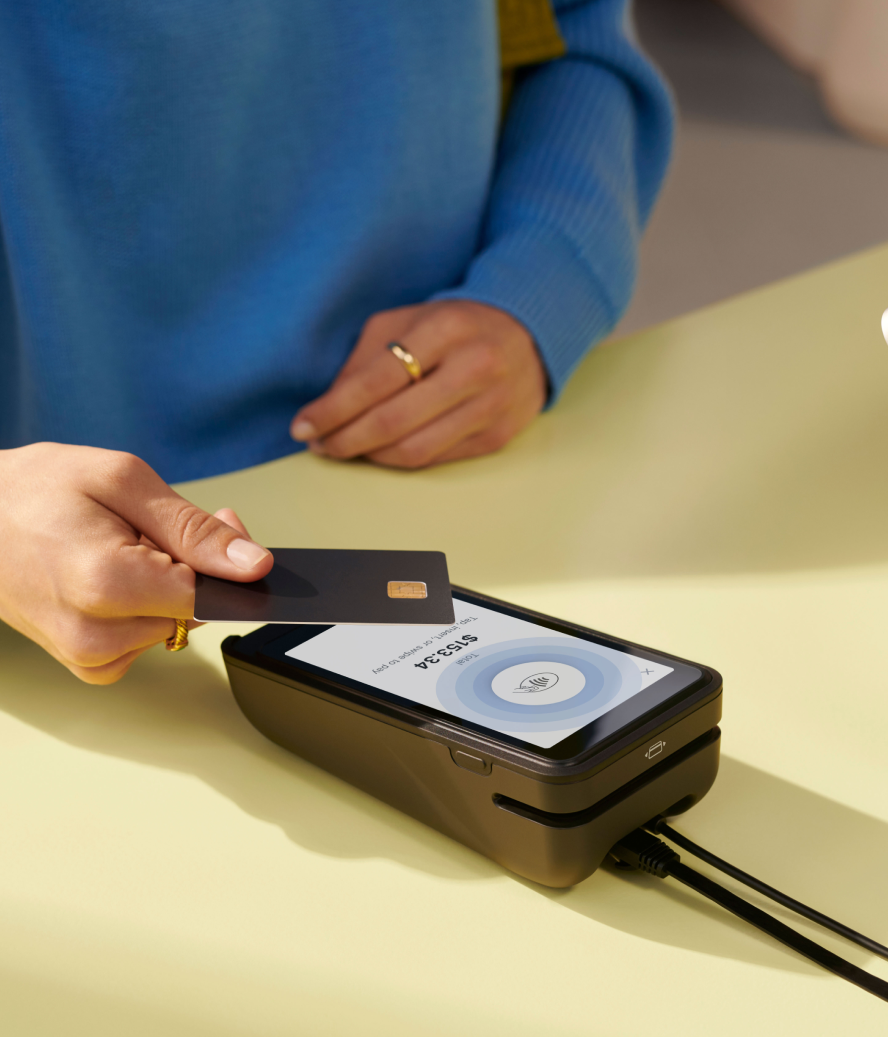

What if the fastest way to grow your ecommerce brand isn’t another ad campaign—but a real-world checkout line? In-person selling for ecommerce is no longer an either/or decision: shoppers move between stores, websites, and social platforms, and the brands that win meet them in more than one place. Brick-and-mortar stores versus ecommerce — it’s no longer a choice between one or the other.
Key Takeaways
- Start low-risk with a pop-up shop to validate demand, pricing, and merchandising before committing to a permanent location.
- Use in-person interactions to improve your online store: track common questions, objections, and “first-picked” products to refine product pages and marketing.
- Design for hands-on discovery—demos, touch-and-feel, and immediate take-home benefits can lift conversion and upsells.
- Reduce shipping friction by shifting bulky or high-cost-to-ship items to in-store pickup and local sales.
Online sales continue to grow, but in-person shopping still represents the majority of retail activity. For example, U.S. Census Bureau e-commerce data shows that in Q3 2025, U.S. retail e-commerce sales were $310.3 billion (seasonally adjusted) and accounted for 16.4% of total retail sales—meaning most retail sales still happen outside e-commerce.
Are you hesitant to take the next step from selling your products behind a screen to venturing into in-person sales? It can feel overwhelming to make the jump from exclusively selling online to adding face-to-face customer interactions, but there are definite benefits to your business that come with this growth.
To put the opportunity in context: U.S. Census Bureau reports U.S. retail e-commerce sales of $310.3 billion in Q3 2025 (seasonally adjusted). And on the broader retail side, NRF estimates U.S. retail sales were $5.29 trillion in 2024 and forecasts 2025 retail sales to reach $5.42 trillion.
Of course, selling online involves less risk than opening a brick-and-mortar store, staffing the store, and getting the inventory in the store to open it — but let’s take a look at how you can do it with less fuss while enjoying just as many of the rewards.
Pop-up Shops: The Lowest-Risk Way to Start In-Person Selling for Ecommerce
Temporary retail, also known as pop-up shops, is a great way to test the waters of in-person sales for your ecommerce business. Set up a shop for a weekend, a full week, or even a month in the neighborhood of your choosing — and get to know your audience, see if that location is the right place for you, and see how much product you can actually sell at a retail location.
If you aren’t interested (or ready) to open a full-time brick-and-mortar location, pop-up shops are also the perfect way to move excess product, host large door-crasher sales, and hold short-term promotions from time to time. This way, you get all the benefits of selling for certain periods of time without having to open a year-round retail location.
More reading on running your own pop-up shop
Brand Awareness: Get Discovered Beyond the Scroll
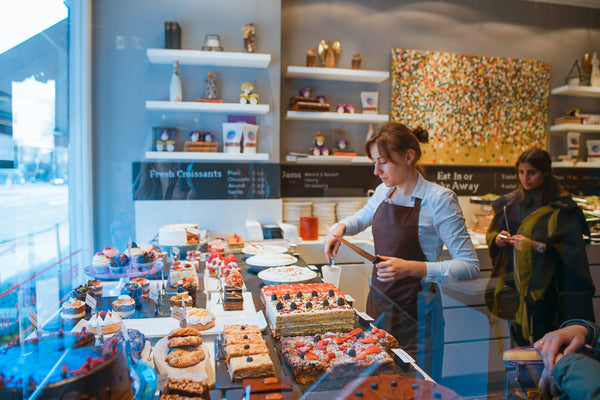
One of the most difficult aspects of ecommerce sales can be visibility. Making your target customers aware of what you’re selling and how you’re different from competitors is a major challenge for brands.
But bringing your products and your brand to a retail location offers the opportunity for more people to become familiar with your brand and its offerings.
Having a physical location can also help you capture local foot traffic and build awareness in the community—especially when your storefront, signage, and merchandising make it easy for passersby to understand what you sell.
Turn in-store behavior into better online marketing
While it’s helpful to have a physical presence for passersby to get to know your brand, retail locations also allow you to move product around, test displays, and invite your customers to interact with your brand in a different way than they do online.
A store or pop-up can also be a practical way to learn what messaging and merchandising resonates most: you can watch how shoppers navigate the space, which products they pick up first, and what questions come up repeatedly—then use those insights to improve your online product pages and marketing.
Customer Experience: Let Shoppers Touch, Try, and Trust
When it comes to providing your customers with an immersive brand experience, online stores often can’t fully replicate the sensory, hands-on aspects of physical retail. Not only can merchants set up their products and displays in a way that reflects their brand identity, but storefronts allow your customers to interact with your products in a new way.
In the Retail Dive article Why most shoppers still choose brick-and-mortar stores over e-commerce, a 2017 Retail Dive consumer survey of 1,425 U.S. consumers found that “the ability to see, touch and feel products as well as take items home immediately rank highest among the reasons consumers choose to shop in stores versus online.”
Why in-person demos can outperform product pages
Offering your customers the opportunity to see, touch, and feel your products is especially beneficial if you have a complex product that would otherwise require a lot of explanation and marketing resources to explain in a digital medium. It’s easier to provide product demos in person, as well as offer tailored product solutions to fit their specific needs.
Not sure how to tackle an immersive retail experience? Take a look at a few examples, or read up on some immersive retail design strategies.
Upselling Potential: Capture “I Want It Now” Purchases
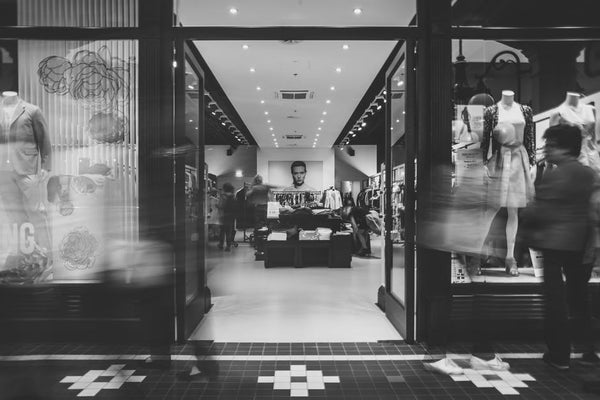
Shoppers often travel into stores for the instant gratification that comes with buying an item and bringing it home immediately. In a 2017 Retail Dive consumer survey, “shoppers also want it now and want it fast.” The same survey found that 49% of consumers said they choose stores over the web because they want “to take items home immediately.”
This suggests that next-day — let alone two-day — shipping cannot fully replicate the immediate gratification of buying products in store and taking them home.
Practical ways to increase average order value in-store
These shoppers who make quick purchases are perfect candidates to pick up additional items on impulse while they’re in the store. Not sure how to nail the upsell? Read up on some strategies in Shopify’s article The Art of Retail Upselling: How to Get Your Customers to Buy More (+ Tools and Examples) or learn how to use techniques like suggestive selling.
Get to Know Your Customers: Learn Faster Than Analytics Alone
There are many ways to gather intel about your customers online through ecommerce analytics, but there’s something special about meeting your customers face-to-face and having a real conversation with them. In-person sales, whether in a stationary retail location or pop-up shop, are a great opportunity to see how your customers interact with your products.
You can send out surveys to your ecommerce customers and hope that they respond, but when you’re in store, there’s a chance to naturally spark up a conversation with them about what they liked or didn’t like about the merchandise. This information is invaluable in improving your product offerings, developments, and brand.
Reach New Customers: Convert Local Foot Traffic Into Online Fans
Some shoppers prefer to discover and buy products in person, even if they research online first. A physical retail presence can help you reach customers who might not find your brand through online channels alone—and it can also give online shoppers a lower-friction way to try your products before committing.
Make it easy for online shoppers to visit you offline
To make the most of this, keep your store finder, hours, inventory highlights, and return policy easy to find online, and train staff to ask simple questions (e.g., “What brought you in today?”) so you can learn which online and offline channels are driving visits.
Minimal Shipping Costs: Sell More Without Paying to Ship More
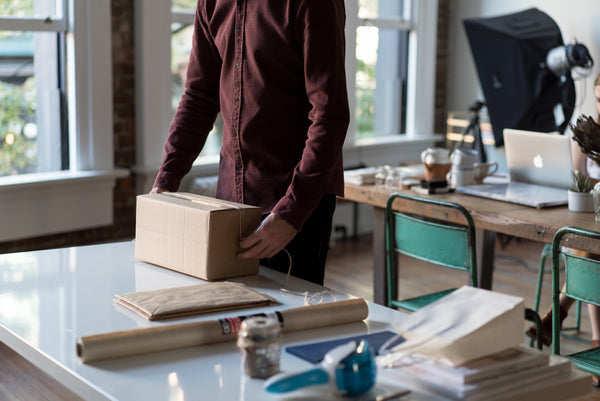
In addition to all the aforementioned reasons, creating in-person sales opportunities can help your customers (and your business) save on costs. That’s because in-person sales don’t necessarily require shipping and handling costs for you or your customers.
While this may seem like a small drop in the bucket (and for some businesses, it is), if you sell any oversized, irregular items, or specialty items that cost extra packaging and shipping then in-store sales could save you some serious coin in the long term.
Frequently Asked Questions
What is in-person selling for ecommerce brands?
In-person selling for ecommerce means adding physical sales channels—like pop-up shops or a retail location—alongside your online store. The goal is to meet customers where they shop, while using what you learn in person to improve your online merchandising and marketing.
How do I start selling in person if I only sell online today?
Start with a short, low-risk test like a weekend pop-up, then track what sells, what shoppers ask, and which products get handled most. Use those insights to refine your product assortment, pricing, and product pages before expanding to longer events or a permanent space.
Why does in-person retail help ecommerce sales?
Physical retail can increase brand awareness, build trust through hands-on product experiences, and create more upsell opportunities through immediate take-home purchases. It also gives you direct customer feedback you can apply to your online store.
Is opening a store the only option, or are there alternatives?
No—pop-up shops are a common alternative that let you test locations, promotions, and merchandising without a year-round lease. You can also use temporary retail to move excess inventory or run limited-time campaigns while keeping your main focus online.
How can in-person selling reduce shipping costs?
Selling in person can eliminate shipping and handling for those orders, which is especially helpful for oversized or specialty items. You can also steer local customers toward pickup-style purchases to reduce packaging and carrier fees over time.
Moving Forward With In-Person Sales
With e-commerce at about 16% of total U.S. retail sales in Q3 2025, many brands are investing in in-person experiences alongside online. The upside is practical: you can build local brand awareness, deliver a hands-on customer experience that’s hard to replicate online, and unlock more impulse add-ons while reducing shipping friction for certain products.
Your next steps: pick one low-risk format (a weekend pop-up is a strong start), define what you’ll measure (top sellers, common questions, and which displays get attention), then apply what you learn to your online storefront and your next event. When you’re ready to unify online and offline selling, Shopify can help you bring it together—start building your multichannel strategy today.

