



What if you could grow revenue without constantly increasing ad spend? The fastest path is often customer retention in retail—turning one-time buyers into repeat customers who spend more, refer friends, and cost less to market to.
Key Takeaways
- Prioritize customer retention in retail by tracking repeat purchase rate and cohort retention—then run 30-day tests tied to one KPI.
- Increase repeat purchases with a loyalty + referral program, plus post-purchase touchpoints (email, SMS, or app notifications) that stay useful and relevant.
- Build loyalty faster by reducing friction: offer omnichannel options like BOPIS, local delivery, and consistent support across channels.
- Strengthen long-term retention by creating community and values alignment—give customers reasons to return beyond discounts.
So often retail businesses focus their time, energy, and money on earning new customers. But to have a healthy, thriving business you need more than that.
In fact, a large share of revenue can come from existing customers. That’s why you need a retail retention strategy to keep and nurture relationships with them, and to encourage brand advocacy.
In this article, you’ll learn what retail retention is and why it should be a priority for your business. Plus, learn retail customer retention strategies you can start using today.
What is retail customer retention?
Customer retention in retail is the ability to keep existing customers coming back (repeat purchases) over time. Many retailers focus most of their ad spend on attracting new customers, and while a business needs new customers, it’s just as important to continue serving your existing base.
Rather than having a customer who makes a one-time purchase, you want customers who come back repeatedly, love and engage with your brand, and refer you to everyone they know.
Your retention rate gives you a good pulse check on the health of your business. If your retention rate is high, you know your marketing strategy is good, your products or services are high quality, you’re targeting the right customers with your messaging, and you’re maximizing your profits.
Why do retail store owners need to focus on retention?
There is a formula in economics and business called the 80-20 rule, or the Pareto principle. The concept is that 80% of outcomes come from 20% of inputs. When you think about this in terms of customers, you’ll find that about 80% of your sales come from 20% of your customers.
This is why you should pay close attention to your retail retention rate. If you focus on nurturing relationships with your existing customer base and finding more clients who are similar to your most loyal customers, you can create a rock-solid foundation that will make your business thrive.
Here are a few more compelling reasons to focus on customer retention in your retail business.
It’s expensive to keep acquiring new customers
It can cost five to 25 times more to acquire a new customer than to retain an existing customer. And a commonly cited benchmark is that you have a 60%–70% chance of selling to an existing customer, compared to 5%–20% for a new customer.
Retention and loyalty lead to word-of-mouth referrals
Your loyal customers want to share your products and services with their friends and family. Word-of-mouth referrals are so powerful because your customers, who have the trust of their friends and family, are vouching for your brand.
It’s easier to sell to someone engaged with your brand
Most shoppers don’t make a purchase the first time they interact with a business. In fact, there are many customer touchpoints to consider including your website, social media, email, point of sale (POS), and more.
Customer touchpoints are the different points of contact you have with a consumer from the moment they discover your retail store to the moment they buy, and the relationship you build post sale.
Many repeat purchases happen soon after the first—so it pays to stay engaged with customers right after checkout and through delivery.
When someone has already purchased from your brand, staying in contact after the sale is the best way to further engage with them and promote repeat business.
Save on marketing costs
Your customer base is already familiar with your products and services. Rather than using up your marketing budget on ads to gain new customers, put some money and effort into retaining your current customers.
Loyalty marketing strategies cost less because you don’t have to go out and find new customers, you already have a list of customers’ contact information you can use for retargeting, email marketing, and loyalty programs.
Loyal customers boost sales
A successful customer retention strategy has a higher return on investment (ROI) than other marketing strategies. In fact, increasing customer retention rates by 5% can increase profits by 25% to 95%.
When you compare new customers to existing customers, existing customers tend to spend more money and are more likely to purchase new products.
6 customer retention strategies that can help you sell more, both in-store and online
Now that you know why it’s important to retain customers, let’s talk about how to do it. Sell more in your store and online by using some of these strategies.
1. Create a customer loyalty and referral program
With so much competition, you want to give customers an incentive to come back and shop with you again and again.
Loyalty program
A loyalty program can help bring customers back for future purchases. These types of programs usually issue points to customers for every purchase they make. Customers can exchange their points for free samples, discounts, or free products. Because loyalty programs are based on how much customers spend with your business, they drive up the average order value.
Referral program
A referral program rewards customers for sending customers to shop with you. According to GWI’s brand advocacy research, rewards are one of the top motivators for people to promote a favorite brand online.
The Shopify App Store has many referral program apps that make it easy for customers to refer people through social media mentions, a personalized link, email, text, and more.
Customers who fall in love with your brand get to share it with their loved ones while earning discounts and other rewards, while you get more customers, increase your brand’s trustworthiness, and boost sales.
2. Stand up for causes
Customers increasingly do business with stores that share their values.
According to GWI’s brand advocacy research, values-based reasons (like sustainability and social impact) can influence whether people advocate for brands online.
For example, if you want to be environmentally friendly, you can donate proceeds to nonprofits that clean up the environment. You can also use eco-friendly packaging and actively reduce your company’s carbon footprint.
If you want to help fight hunger, you can donate a portion of your profits to organizations that distribute food to those in need.
3. Build a community
When you build a community of customers it gives people a reason to return to your store. Community events can encourage customers to visit your store or website repeatedly and make more purchases.
Building a community boosts trust in your brand and connects your customers to one another. You can create a community both in your physical location and online.
Online communities are a great way to reach customers beyond your local area and keep engagement high between purchases. Consider using a platform like Facebook to create a private community group for your customers to interact with one another and your brand by sharing stories and asking questions.
4. Be proactive with your customer service
Globally, great customer service is a common motivator for people to recommend brands.
Get in on the action by taking a proactive approach to customer service to help strengthen your relationships with customers. Be proactive by asking your customers for feedback, admit to any mistakes before your customers find out about them, make content that addresses their most common questions, and pay close attention to what your customers are saying about your brand online.
5. Continue building relationships after the sale
Let your customers know that you’re invested in them by continuing to communicate after each sale. Here are a few suggestions for post-purchase communications that will foster relationships with your customers.
Use push notifications
Your relationships with customers start after checkout. The Shop app delivers order status and delivery tracking updates to your customers’ phones, and every touchpoint from checkout to delivery is a moment of rediscovery.

Prompted by push notifications, customers can find recommendations from your store every time they use the Shop app. This means Shop is always helping you make your next sale before a customer’s last order has even arrived.
Send post-purchase emails
As you capture your customers’ email addresses, put them to good use with email marketing. This keeps the conversation going after they’ve left your shop or your website and helps foster brand loyalty.
According to GWI’s brand advocacy research, relevance and usefulness are common reasons people share brand content—so use post-purchase emails to send helpful tips, setup guides, and product care instructions.
You can use post-purchase emails as an opportunity to share helpful information on the best way to use the products they purchased.
Continuing to communicate post-sale is also a great way to cross-sell—tell customers about additional items they might like based on their purchase behavior.
6. Personalize messaging for each shopper
Nurture your relationship with each customer by personalizing their shopping experience. With the Shopify POS, you’ll have the customer’s purchase history and can sync that data with your loyalty program. This way, you can figure out the best products to recommend to them during your post-purchase interactions.
Personalization can also be as simple as writing a customer’s name on the fitting room door in a clothing shop or including a personalized note in an order you ship to them. Spend time one-on-one with your customers and ask questions to find out their preferences and boost customer satisfaction.
6 ways to develop a loyal local customer base for your store
Sixty-five percent of consumers say they support small businesses. But how do you compete in today’s marketplace of giant ecommerce stores? A loyal local customer base will help you create a strong business.
Here are some tips to help you develop a following of local fans that will keep coming back to buy from you.
1. Give your customers a seamless transition from online to offline shopping
Brick-and-mortar stores can adapt to the age of ecommerce by creating an omnichannel shopping experience. Give customers the choice to shop and buy across various channels, including in-store and online.
Here are some suggestions for how to put omnichannel shopping into action:
Offer buy online, pick up in-store (BOPIS)
You may also know this order fulfillment option as click and collect, or curbside pickup. When customers can buy online and pick up items in the store it allows them to save on shipping, avoid long delivery times, and easily return items.
Sell on social media
Globally, almost half of internet users say they use social networks when they are looking for more information about a brand or business.
You’ve likely heard of social commerce or social shopping before. It allows customers to make purchases directly through social media channels.
Facebook, Instagram, and TikTok are among the most popular social media apps that allow brands to sell directly through their platforms.
Let customer buy in-store, and ship to home
Globally, 28% of consumers say next-day delivery would increase their likelihood of buying a product when shopping online. Why not apply these same insights to your in-store order fulfillment strategy?
Local delivery offers customers a convenient way to purchase items they’re looking for that aren’t available in your location. You can ship inventory from your warehouse or another store location to someone buying at your brick-and-mortar location. This is a great solution if your business has a showroom (or a virtual showroom) or offers customizable products.
Streamline customer service across all channels
US adults spend about 12 hours and 37 minutes per day with media (including digital and traditional). As people spend more time across devices and channels, they’ve grown to expect more from businesses, including a consistent customer support experience across all platforms.
Customer success is about building a lasting relationship with your customers. Deliver a steady customer service experience via email, phone, live chat, social media, on your website, and in-store.
For example, if a customer leaves a comment on one of your Instagram posts asking for more information about your products, respond directly in the comments section or send them a direct message (DM) to answer their questions.
In your DM you can also provide your business email address and let them know they can email you if it’s easier for them.
On your website, live chat is a great way to engage with site visitors while they’re browsing.
Live chat is also helpful for customers who want to buy online and pick up in store. You’ll be available to answer questions quickly while they’re shopping online, and this can improve customer experience and conversion rates.
Use all of the above customer service strategies to boost brand loyalty, drum up repeat business, and encourage customer advocacy—core outcomes of strong customer retention in retail.
2. Offer value-added services along with your products
Customers aren’t just looking to make a purchase. They’re looking for an experience that makes their life easier. You can offer value-added services along with your products to improve your customers’ lives and strengthen their relationship with your brand. Some value-added services include:
- Personal shopping. Nobody knows your products better than you. Personal shopping can take place in your brick-and mortar store or through virtual appointments. Online, you can survey shoppers for their preferences and send them product recommendations.
- Subscription boxes. Subscription boxes allow you to curate experiences for your customers and select products they may have not chosen for themselves. They also encourage repeat, routine purchases.
- Free gifts with purchase. Everybody likes a little freebie with their purchase. Show your customers you care by adding a gift with purchase and introduce them to a new product that they will want to purchase again when they return to your store.
3. Use data to understand your customers
Today, you can analyze more data about your customers than ever before. Use customer information to customize your services by understanding your customers’ shopping behavior and what they like and dislike. You can use data collected online to inform your practices in your brick-and-mortar location, and vice versa, to help inform your online marketing strategies.
For example, you could track rankings and reviews for your products in your online store to help you best merchandise your physical store.
4. Create a shopping experience versus a purchase transaction
Customers want more than just an item to put in their house. They want a shopping experience. Get creative with your customer service to create a unique experience for shoppers.
For example, you can offer stylist services if you have a clothing business. This can help take the guesswork out of fashion for busy customers. Think about how you can make your customers’ lives easier when providing products and services and integrate those solutions into your customer retention strategy.
5. Leverage technology creatively
There are many technologies you can use creatively to help build a local, loyal customer base. You can create an enhanced, seamless experience between shopping online and in your brick-and-mortar store by using apps. The Shopify App Store has over 2,000 apps for you to choose from to create a consistent brand experience.
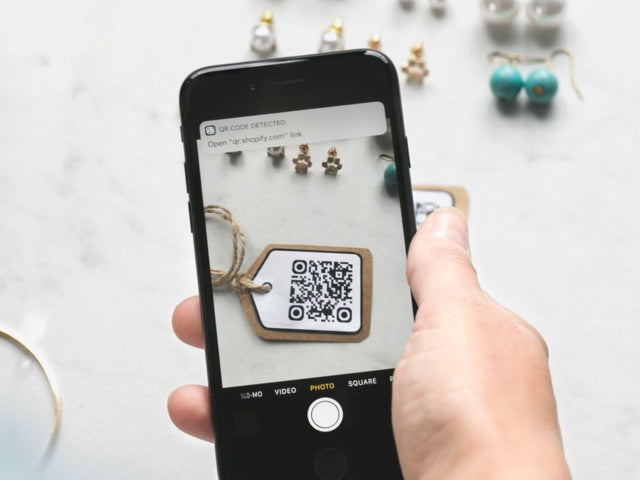
Shopcodes is one of Shopify merchants’ favorite apps. This free app creates QR codes that directly link customers to products in your online store. Using this app lets customers skip the checkout line and purchase goods through window shopping, and accelerates event or pop-up sales in a place with limited inventory space.
Another popular app with merchants is Experiences. This app lets you host classes, tours, or events in your physical location through your Shopify online store. Once your customers are in your store, they can check-in or book new experiences through your Shopify POS app.
6. Go above and beyond expectations
When you focus on making your customers happy, the natural result will be brand loyalty and customer retention.
If you truly engage with your customers, incorporate their feedback into your business, and provide top-notch customer care at all touchpoints you’ll likely have good customer retention rates.
Moving forward with your retail retention strategy
Now that you’re armed with strategies to retain your customers, it’s time to put them into a simple plan: pick one retention lever (loyalty, post-purchase, or community), set a baseline repeat purchase rate, and run a 30-day test with one clear KPI.
Shopify supports omnichannel selling, giving you tools to grow your business and retain your customers in one place. Start turning one-time customers into loyal brand advocates by unifying customer profiles, order history, and marketing across channels.
Turn retention into your next growth channel
Strong customer retention in retail lowers acquisition pressure, increases repeat purchases, and builds word-of-mouth that compounds over time. Choose one lever (loyalty/referrals, post-purchase messaging, or community), set a baseline metric, and run a focused 30-day experiment to improve it.
When you’re ready to connect online and in-store data, personalize outreach, and make repeat buying easier, build your retention engine with Shopify—start today and turn more first-time shoppers into long-term customers.
Read more
- Tap Into These Key Customer Triggers to Optimize Your Retail Loyalty Program
- What are Repeat Customers and How to Increase Them
- Customer Service Tips: How to Deal With Angry Customers
- Boosting Customer Lifetime Value: Turn One-Time Shoppers into Repeat Customers
- Post-Purchase Communications: Expert Tactics to Stay in Touch With Customers
- 12 Ways for Retailers to Cope With Customer Complaints
- Why Customer Loyalty is Important for Your Retail Business (+ 8 Ways to Strengthen It)
- How Retailers Can Service Wholesale Clients Without Losing B2C Customers
- 8 Retail Experts Offer Their Top Tip on Building Brand Loyalty
Frequently Asked Questions
What is a good customer retention rate for retail?
Benchmarks vary widely by retail category, price point, and purchase cycle (for example, grocery vs. furniture). Instead of aiming for a universal “good” percentage, track cohort retention (customers acquired in the same month/quarter) and compare your repeat purchase rate to your own historical performance and to peers in your category.
How do retail stores retain customers?
- Offer loyalty and referral incentives that reward repeat purchases.
- Personalize service and recommendations using purchase history and preferences.
- Make shopping convenient with options like BOPIS, local delivery, and easy returns.
- Invest in product quality and clear merchandising so customers trust what they buy.
- Stay in touch post-purchase with helpful emails, SMS, or app notifications.
What are the top 3 keys to customer retention?
- Consistent value: products and experiences that meet expectations every time.
- Convenience: fewer steps to buy, get support, and resolve issues.
- Relevance: timely, personalized communication and offers based on what customers actually want.
How can I improve customer retention in retail without discounting?
Focus on convenience and usefulness: add BOPIS or local delivery, improve post-purchase emails with setup/care tips, and offer value-added services like personal shopping or subscriptions. Community events and values-based initiatives can also give customers reasons to return that aren’t price-driven.
What tools help with customer retention in retail across online and in-store?
Use a platform that unifies customer profiles, order history, and marketing across channels so you can personalize follow-ups and recommendations. Shopify supports omnichannel selling and, with apps for loyalty, referrals, and experiences, helps you run retention programs from one place.


