What if the mall’s biggest comeback driver isn’t more stores, but a better shopping experience across every channel? As shoppers expect more convenience, flexibility, and personalization, retailers that adapt their mall strategy can turn physical locations into stronger growth engines.
Key Takeaways
- High-performing malls are staying relevant by adding mixed-use elements, experiential tenants, and services that give shoppers more reasons to visit.
- Convenience features like appointments, in-store pickup, and contactless payments can reduce friction and help mall retailers convert more shoppers.
- A unified omnichannel setup connects ecommerce, inventory, POS, and fulfillment so customers can move seamlessly between online and in-store shopping.
- Smaller formats, virtual selling, and personalized service help retailers use mall space more efficiently while creating memorable customer experiences.
In recent years, US malls have lost share of retail sales as ecommerce, off-mall formats, and changing consumer behavior reshaped the market. According to Coresight Research, malls accounted for 33.8% of US retail sales in , down from 37.6% in .
But times are changing.
Many malls faced pressure during the pandemic and from ecommerce competition.
Malls that want to stay relevant over the next decade will have to reinvent themselves. Retail store owners have to meet customers where they are and offer a unified omnichannel experience, with inventory both online and in-store.
For some brands, that omnichannel shift has already become a meaningful growth lever. Beauty brand PAUL & JOE launched its official online store in part because limited physical locations left interested shoppers without an easy way to buy, and the brand later reported that ecommerce sales grew 400% from 2020 to 2023 after building a more store-like online experience.
— Takayuki Sakakibara, Group Leader at PAUL & JOE (Source)
One of the reasons for launching the online store was the limited number of physical stores. For instance, there were customers who were interested in the brand but couldn't purchase products because there were no stores nearby or because they worked during the day.
The reality is: malls might look quite different in the not-so-far-off future.
The current state of shopping malls
US malls are evolving unevenly: stronger Class A properties are holding up better, while weaker centers are more likely to be repositioned, redeveloped, or replaced with mixed-use formats. McKinsey notes that performance increasingly depends on asset quality, tenant mix, and a property’s ability to add uses beyond traditional retail.
Current market signals point in the same direction. Higher-quality centers have generally been more resilient on occupancy and rent, foot traffic has improved from pandemic lows in many markets, and owners continue to add dining, entertainment, health, residential, and office uses to keep properties relevant. Mixed-use redevelopment is becoming a practical strategy for underperforming malls, while top-tier centers are investing in experiential tenants and omnichannel services.
How malls are being repositioned
A Glossy article, “The Great Mall Overhaul”, summarized how many US malls and brands were rethinking the format:
- Many malls are being repositioned toward lifestyle and mixed-use formats, combining shopping with dining, entertainment, and service-based tenants. This aligns with broader redevelopment trends described by McKinsey.
- Some outlet centers are broadening their appeal beyond discount shopping by adding food, events, and digitally native brands to create a more destination-oriented experience for visitors.
- Mall kiosks can support international expansion for retailers. Hydration brand Waterdrop, which sells in 10 European markets and operates 18 stores, is expanding into the US market through kiosks. The brand had a successful run in Northern Miami’s Aventura Mall before opening up its flagship store in Miami Beach.
- Short-term leasing and pop-up activations are giving malls more flexibility. For emerging brands, temporary spaces can build awareness, test products, and create reasons for shoppers to return.
- Malls are adding more digital and omnichannel capabilities, including retail media, digital discovery tools, and fulfillment services that connect physical locations with online shopping behavior.
In practice, the formats growing fastest tend to be high-productivity malls, outlet centers, open-air lifestyle centers, and mixed-use projects with strong food, entertainment, and service offerings. Lower-performing enclosed malls face more pressure and are more likely to need major reinvestment, tenant repositioning, or conversion to other uses.
Regardless of your target demographic, a physical store in a mall can be part of your future. Mall operators are shifting their business models to decrease customer pain points and reimagine the traditional retail business.
What could the future of shopping malls look like?
Mall owners and their tenants are scrambling to figure out how they can take advantage of this revival.
Omnichannel retail will likely be a big part of this equation, as well as other elements that could bring shoppers back to malls once again.
Prioritization of convenience
One of the clearest ways malls can stay competitive is by making shopping easier at every touchpoint. Convenience-led services help retailers remove friction, improve conversion, and give customers more control over how they shop.
Appointment-based shopping
The concept of shopping by appointment isn’t new. However, offering appointment-based shopping helps deliver personalized shopping experiences, which is high on the list of customer expectations for the future of retail.
Neiman Marcus is one example of an in-mall department store that offers shop by appointment.
Shoppers can schedule one-on-one appointments in-store, select items for curbside pickup, or hop on a video chat with an expert style adviser. This allows customers to enjoy personal, engaging services that are safe and convenient.
In-store pickup
Allowing customers to pick up their orders curbside has helped many retail stores within malls drive online sales.
Online shoppers who chose in-store pickup at checkout were more likely to complete their purchase, and pickup orders can also increase basket size compared with shipped orders.
Brookfield Properties, one of the largest retail real estate managers in the US, launched a Curbside Pickup Program to address its mall tenants’ needs to create a safe and comfortable shopping experience for customers.
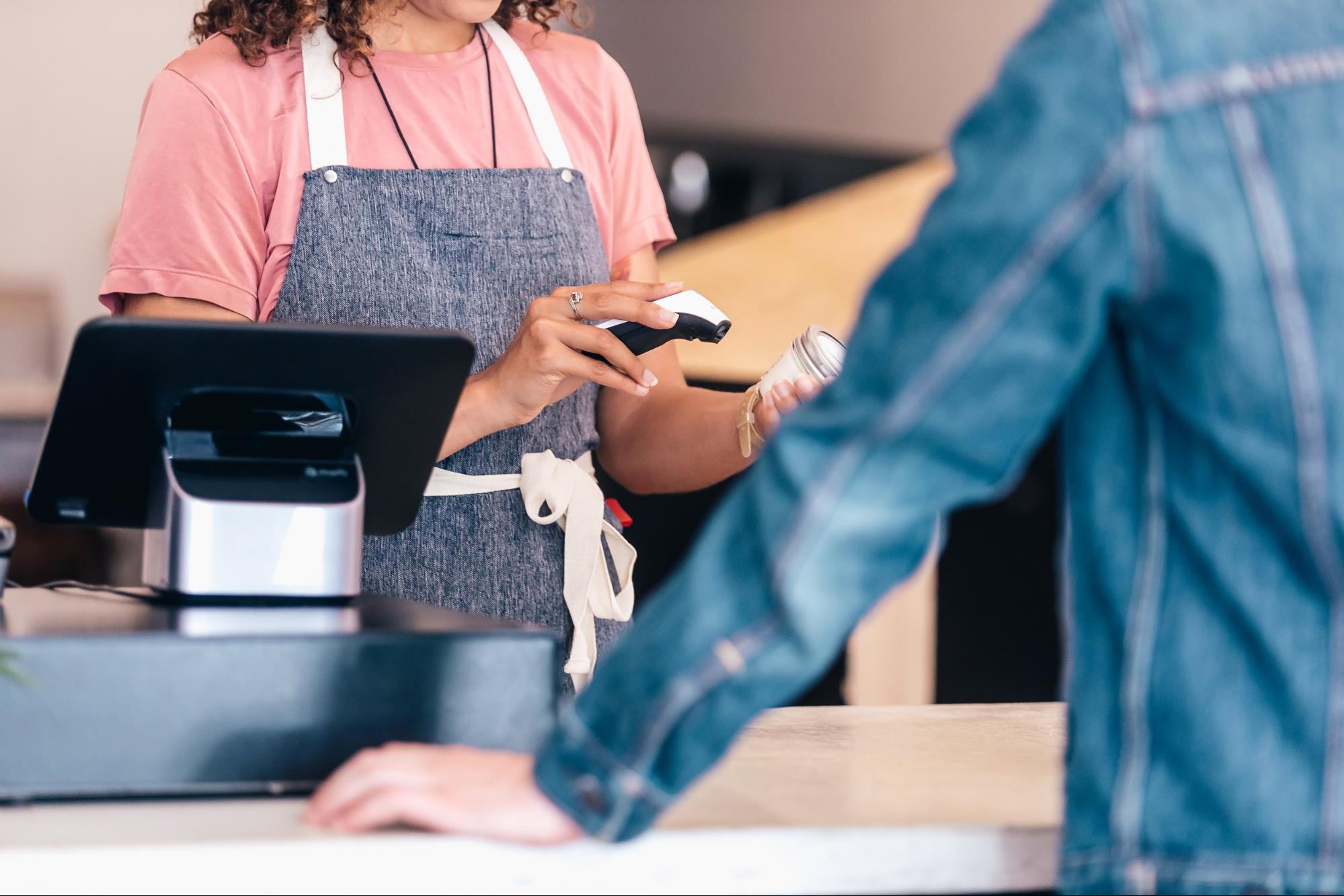
Contactless payments
Contactless payment adoption is now mainstream. According to Visa, tap to pay has grown to account for more than two in three in-person Visa transactions globally as of early .
What started as a safety protocol soon became a preference. Why? Because contactless payments are faster and carry less risk.
This includes:
- Contactless payment cards
- Tap to pay
- Mobile wallets like Shop, PayPal, Google Pay, Apple Wallet, and Samsung Pay
Redefined store formats
As retail continues to evolve, stores within malls have to reinvent themselves to stay relevant and make the most of their retail store space.
Both big retail players and small direct-to-consumer brands are now testing the waters with smaller stores focused on experience-driven shopping. Pop-up shops and micro-retailing have become increasingly popular. Aside from being less costly, they also encourage retailers to think outside the box.
Many of these smaller-scale shops and boutique storefronts rely on experiential shopping. This approach helps them capture the look and feel of local mom-and-pop shops paired with technology that helps them drive sales. As a result, customers get to experience nostalgia for the old retail space concept and the ease of tech-equipped shopping.
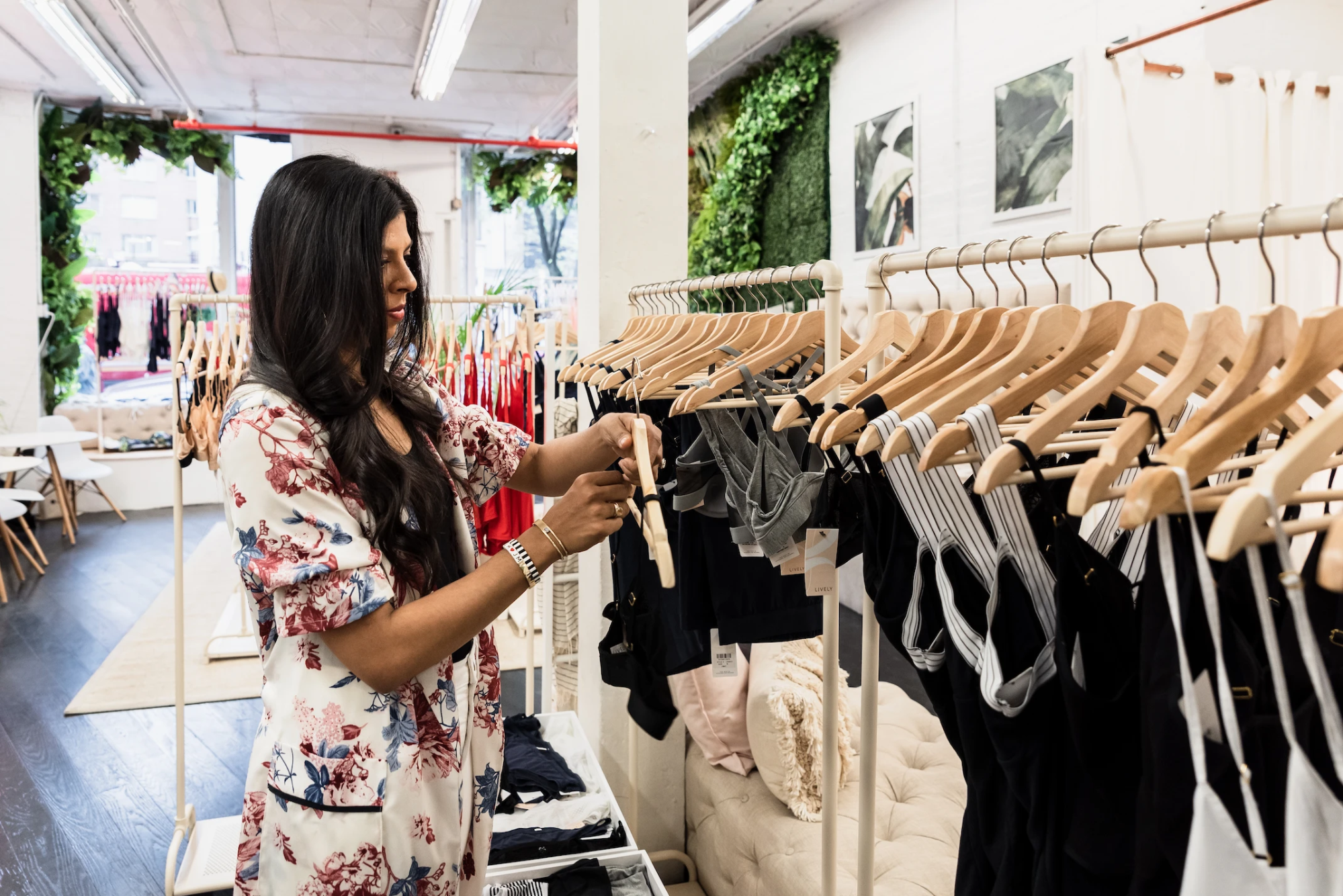
Lingerie business LIVELY, for example, started as a digitally native brand. However, soon it incorporated brick-and-mortar retail stores as a vital part of its growth strategy.
In Shopify’s LIVELY case study, the brand reported higher order values from customers who booked fitting sessions online compared with those who walked into one of its stores without an appointment.
The combination of bricks and clicks has helped LIVELY create an engaging business model with meaningful experiences at every touchpoint.
Convenience alone is not enough, though. The next shift is using technology to make mall shopping more interactive and connected.
Greater use of technology to engage customers
Today’s customers compare shopping with you to the best shopping experience they’ve ever had, which constantly raises the benchmark for customer expectations.
Luckily, the use of technology helps retailers keep up with customers’ preferences and deliver engaging experiences online and in-store.
Virtual shopping
Customers still look for a human interaction that instills confidence and brings them closer to the Add to Cart button. Customers can now shop virtually via chat and video and get a closer look at the product they want to buy.
Beauty and skin care brand Credo Beauty is featured in Shopify’s virtual shopping guide as an example of how assisted virtual shopping can improve online conversion compared with unassisted browsing.
Conversion rate is the percentage of visitors who complete a desired action, such as making a purchase. Personalized virtual consultation can also increase confidence and help customers make higher-intent purchases.
In Shopify’s virtual shopping examples, brands use consultations to answer questions, recommend products, and create a smoother path between online and in-store shopping. For retailers trying to translate an in-store experience online, presentation matters too: luxury chocolatier Compartés said that after closing its four physical stores and moving to ecommerce only, it focused on vivid imagery and digital merchandising to recreate the feel of shopping the brand in person, and sales still grew through the transition.
— Jonathan Graham, Owner of Compartés Chocolate (Source)
Making sure we have beautiful vivid imagery that captures the chocolate making that captures the chocolate in a luxurious light because people can't go into our retail store anymore so making that online shopping experience just as great for them.
Endless aisle
Having a limited physical footprint makes it impossible to showcase a wide assortment of products. That’s where an endless aisle comes in handy.
An endless aisle helps retailers merge online offerings with their brick-and-mortar locations to bring a better shopping experience to their customers.
Suppose the future of malls is micro-retailing and experience-based shopping. In that case, in-store kiosks will empower retailers to display their complete online assortment in-store and allow customers to order products that are out of stock or not sold in-store and have them shipped to their homes.
AR/VR
Retailers are turning to AR and VR to let customers digitally test out thousands of products. Not only does it make shopping easier, but customers also love using immersive technologies.
One example of this at work: makeup and skin care brand Charlotte Tilbury uses a virtual magic mirror to help customers overcome choice paralysis by enabling a try-before-buy experience free from hygiene concerns.
These customer-facing tools work best when the back-end commerce system is unified across channels.
Unification of in-store and online merchandise
Retail went through different stages and phases to reach a present where one thing is clear: omnichannel retail remains a major priority for many retailers. McKinsey and other industry research continue to describe omnichannel capabilities as a key retail investment area.
In recent years, retail giants have invested heavily in ecommerce, while tech-savvy digitally native brands have opened physical locations within malls.
Customers expect an engaging, seamless, and channel-agnostic experience. That’s why customer-centric brands focus on creating unified end-to-end shopping experiences.
One of the biggest hurdles for mall stores is how to turn visitors or one-time buyers into loyal customers. A unified inventory and sales system can help retailers streamline operations, sync data automatically, and manage the business more efficiently.
You’ll see customers browse online, purchase in-store or the other way around. Today, retailers offer customers the opportunity to buy online, pick up in-store (BOPIS), which means ordering online and collecting the item at a nearby store, but also buy online, return in-store (BORIS), which means purchasing online and returning the item at a physical store location.
A unified view of in-store and online sales can help retailers improve operations and customer experience. Incorporating the right POS technology makes a number of things possible:
- Personalized shopping experiences
- Email reminders for in-store favorites
- Integrated loyalty programs
- Frictionless returns
- Unified reporting
That kind of connected setup also helps brands serve customers who may never make it to a mall location at all. In PAUL & JOE’s case, building a flexible ecommerce experience alongside its limited store footprint helped reach shoppers who lived far from stores or couldn’t visit during business hours, reinforcing why mall retailers benefit from treating digital as an extension of the store rather than a separate channel.
Personalized shopping experiences
Consumers are in the driver’s seat—they know what they want and they have enough information to make data-driven decisions.
On top of that, they’re looking for a personalized approach that answers their questions and gives them peace of mind so they can rest assured they’re making the right choice.
As a result, in-store mall sales associates should act as personal shopping assistants and support customers throughout their buyer journey.
Malls and retailers can collect data from systems such as Wi-Fi sign-ins, loyalty programs, mobile apps, CRM platforms, parking systems, and point-of-sale tools to understand visit patterns, repeat visits, and purchase behavior.
Any collection or use of this data should comply with applicable privacy laws, platform permissions, and clear customer consent requirements, as outlined in FTC privacy and security guidance.
By agreeing to the terms and conditions when they connect to it, many shoppers are also agreeing to having their data tracked and used by the property owner.
— Melina Cordero, CBRE Head of Retail Research in the Americas
Unlike in the past, when malls had limited customer insights, today they can rely on different systems to gather information that helps retail stores deliver a more personalized experience:
- CRM systems for customer profiles and purchase history
- Parking and traffic systems for visit patterns
- Wi-Fi and app analytics for dwell time and repeat visits
- POS and loyalty tools for transaction and retention data
Stores can also use geofencing and send targeted messaging to consumers’ phones once they enter a defined area near the store, where permitted by law and app permissions.
One well-known brand that relies on this technique is Starbucks. The coffee company uses geofencing for advertising drinks and offering discounts to customers near its locations.
The future of malls: What’s next?
Malls still have a place in retail, but the winners will be the ones that make shopping more convenient, connected, and experience-driven. If you want your store to thrive in this environment, focus first on flexible formats, unified inventory, and services like pickup, appointments, and personalized support.
Build your mall strategy around the way customers already move between online and in-store shopping, then choose tools that connect ecommerce, POS, fulfillment, and customer data in one place. If you’re ready to turn clicks into in-person sales, start with Shopify POS and create a retail experience built for what’s next.
Read more
- Experiential Retail 101: How to Host In-Store Events Your Shoppers Love
- Retail Technology: Upgrade Your Toolstack With These 6 Trends
- Why Retailers Can’t Ignore The Power Of Sound: Building a Sonic Strategy for Your Store
- How to Make A Terrarium: Turning Tiny Ecosystems Into a Blooming Business
- How to Create an Inclusive Retail Store Experience
- The Future of Retail Staff: How Is the Role of the Retail Worker Changing?
- How to Turn Your Checkout Line Into a Sales-Generating Experience
- Do Retailers Need a Digital Fashion Strategy? 5 Brands Designing for the Metaverse
- How 6 Brands are Using Machine Learning to Grow Their Business
- Social Entrepreneurship: How Retailers Build Compassion Into Their Business Model
Frequently Asked Questions
Are malls coming to an end?
It’s unlikely that shopping malls will become obsolete. While online shopping has changed traffic patterns, many malls are adapting through mixed-use redevelopment, experiential tenants, and omnichannel services that keep them relevant.
Are malls becoming popular again?
Some malls are recovering, especially higher-performing properties with strong tenant mixes, food and entertainment offerings, and convenient fulfillment options. Growth is uneven, though, so weaker malls are still more likely to be redeveloped or repositioned.
How are shopping malls evolving?
Malls are evolving into mixed-use destinations that combine retail with dining, entertainment, health services, residential, and office space. Many are also adding digital tools, pickup options, and flexible leasing to support how customers shop today.
What technology should mall retailers prioritize first?
Start with systems that unify inventory, ecommerce, in-store sales, and fulfillment. That foundation makes it easier to offer BOPIS, easier returns, personalized service, and accurate stock visibility across channels.
What is the lifespan of a shopping mall?
There isn’t a single average lifespan for a shopping mall. Longevity varies based on location, reinvestment, tenant mix, ownership strategy, and whether the property is periodically redeveloped for new uses; industry groups such as ICSC describe shopping centers as formats that continue to evolve rather than assets with a fixed lifespan.