


The biggest mistake many consumer brands make is treating the sale as the finish line. If you want sustainable growth, the real win is earning repeat customers—because customer lifetime value compounds every time a shopper comes back. This guide breaks down seven proven ways to increase retail customer lifetime value without relying on one-off purchases.
Key Takeaways
- Increase customer lifetime value by focusing on earning repeat customers through community, loyalty, and post-purchase engagement—not just acquisition.
- Make reordering frictionless with fast support, easy returns/exchanges, and accelerated checkout options like Shop Pay.
- Use customer data to segment follow-ups (email + retargeting) so shoppers see relevant products and timely reminders.
- Turn customers into marketers with user-generated content, referrals, and incentives that keep your brand top of mind.
A common misconception for consumer brands is that the marketing process ends at the point of purchase.
Instead, smart brands recognize that a customer’s lifetime value—or the net profit that you’ll take in over the course of your entire relationship with a customer—is far more important than any singular purchase in terms of revenue and influence over others.
But that customer lifetime value will continue to stay low if they only shop in your store once and never return. The subject of luring customers into your storefront over and over again has become a hot topic in recent years for several reasons.
Table of Contents
What is retail customer lifetime value?
Customer lifetime value (CLV) is the total amount of money a customer is expected to spend in your business over the course of their relationship with you. The formula to calculate customer lifetime value is: CLV = (Average Value of a Sale) x (Number of Repeat Transactions) x (Average Retention Time in Months or Years for a Typical Customer).
Many businesses aim for CLV to be several times higher than customer acquisition cost (CAC), but the right target depends on your margins, payback period, and retention.
Why retail customer lifetime value is so important
When you prioritize lifetime value, you’re building a business that can withstand rising acquisition costs and shifting buyer expectations. Here are the biggest forces making retention—and earning repeat customers—more important than ever.
Intense competition for consumers’ disposable income
With direct-to-consumer brands popping up daily, and the side hustle economy enabled on platforms like Shopify, brands may only have one chance to capture the loyalty of customers before they move on to the next retailer.
Capturing a sizable portion of market share is more difficult these days, regardless of your product or service. With so many options available for consumers, stores and brands have to work hard to rise above the noise.
Proliferation of social networks
Historically, a customer that had an issue with a brand’s product or service had very little external recourse. They could tell their families, friends, and colleagues, but their reach was limited.
Today, they can share their frustration with millions of other potential customers, and negatively rate brands on third-party sites such as Amazon or Yelp, which can have an exceedingly detrimental impact on sales.
In fact, a 2022 eye-tracking study found that when consumers pay more attention to negative comments, they tend to give up on buying a product. When they pay more attention to positive comments, they choose to buy.
As such, brands have a powerful opportunity to engage consumers post purchase, improving not only the likelihood of return business, but the chance that they will share their positive experience with other potential customers.
Shifting consumer behaviors
Today’s consumers expect more from brands. It’s no longer enough to convey the function of a product or service in marketing efforts; instead, consumers want to feel as if they are part of something bigger.
Brands like Toms Shoes and Warby Parker have gained massive, loyal followings, at least in part because their products are closely aligned with philanthropic causes. Certainly, customers will still make impulse purchases, and will still consider price and convenience for specific buying decisions.
How to increase retail customer lifetime value (and start earning repeat customers)
- Create a community around your brand
- Provide utility for customers beyond the purchase
- Involve shoppers in your marketing efforts
- Provide great customer service
- Offer loyalty programs
- Make it easy for customers to buy again
- Follow up with email marketing campaigns or retargeting ads
1. Create a community around your brand
Modern consumers want to shop with brands that align with their values and lifestyle choices. They believe there is power in the insights of their peers, and are more comfortable gaining product inspiration from one another than from brand messaging.
With the advent of ad-blocking, especially, there is a need for better marketing and ecommerce experiences. Instead of resisting this trend, brands can lean into it by helping enable these experiences through curated consumer communities.
Such communities can help forge an ongoing emotional connection with your customers. This is crucial, because feelings drive buying decisions.
Research shows that emotions fuel customer choices before, during, and after purchases. Retail expert Georganne Bender of Kizer & Bender says, People’s buying decisions are influenced daily, and emotions play a huge impact on these decisions.
Your customers are included in that group that makes spending decisions based on their emotions, and they’d likely spend more with your brand if they felt emotionally charged to do so.
2. Provide utility to customers beyond the purchase
As we’ve established, the belief that the pursuit of a customer ends after the point of sale is largely outmoded. Brands that are only focused on a singular selling opportunity are missing the bigger picture and leaving a ton of revenue potential on the table.
By engaging customers post-purchase with education, value-add services, and complementary product offerings, brands can re-engage customers and drive additional purchasing behavior.
Keep the conversation going with customers after they leave your store. Post-purchase communication is a vital step that keeps merchants and consumers connected.
Much of this effort is enabled through intelligent data collection and segmenting. If you can create personas and audiences based on demographic data and prior purchasing behavior, you can serve up relevant messaging to entice repeat business.
3. Involve shoppers in your marketing efforts
Invite customers to share photos and videos that show how they use your products. Repost approved user-generated content in social campaigns, product pages, and email marketing to give shoppers product inspiration from other customers.
Create clear guidelines for submissions, permissions, and brand tags before using customer content. Contests, hashtags, and referral programs can give customers ways to participate in your marketing.
Use customer content to connect marketing channels, including display advertising, social media, ecommerce, print, direct mail, and outdoor campaigns.
4. Provide great customer service
An important part of customer service is helping customers get the value they paid for, and quickly. In a HubSpot State of Service report, 60% of respondents said they will be more loyal to a brand with a fast customer service response time.
Great customer service means exceeding expectations and making sure every interaction is positive. Retailers can mitigate negative experiences and build long-term relationships through trust.
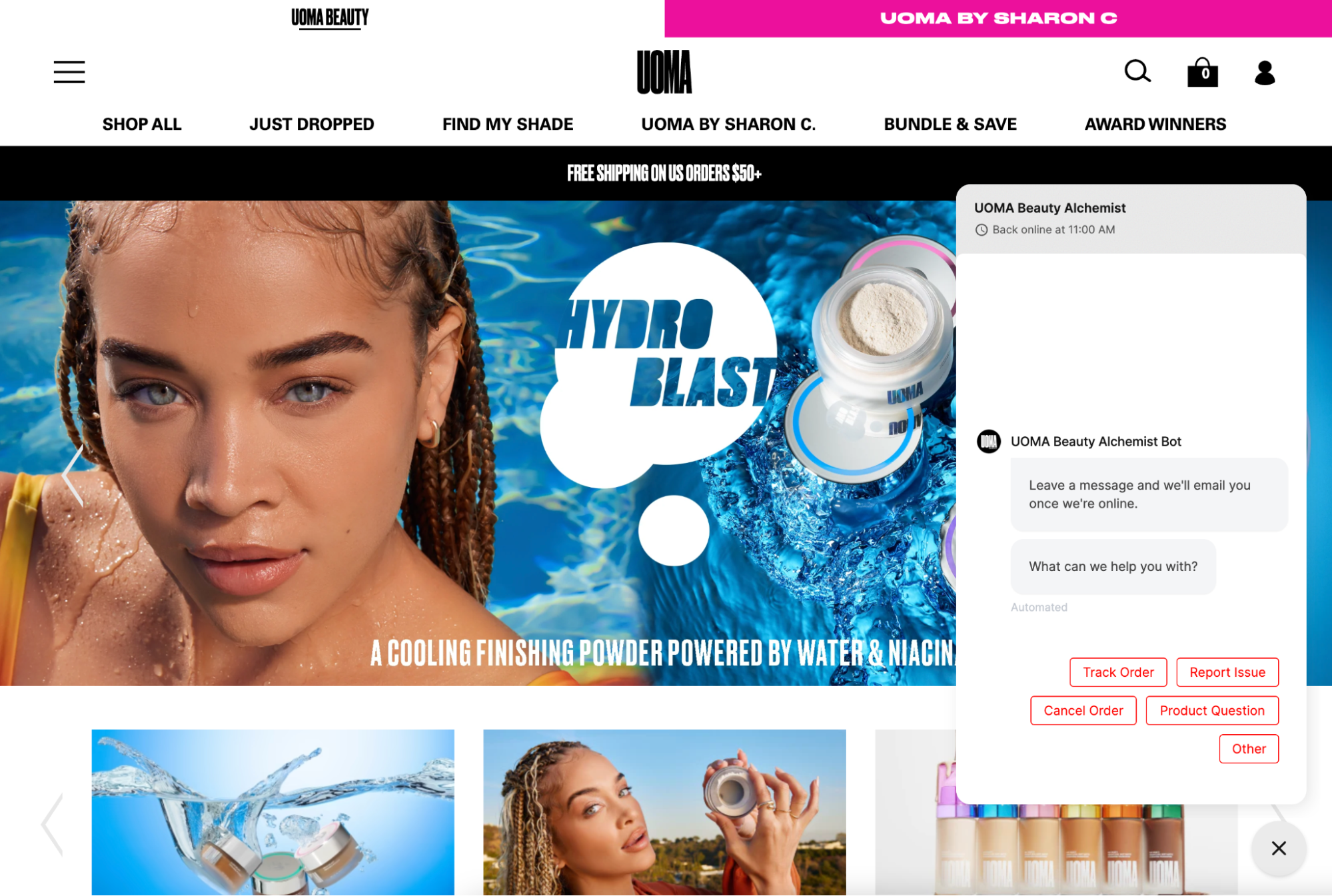
If you’re a retailer selling online, you can have a live chat option on your website like Uoma Beauty. This provides immediate assistance and personalizes the shopping experience for browsers.
Tools like Shopify Inbox and Gorgias are perfect for website live chat.
In-store, you can provide great customer service by:
- Ensuring staff members are well-trained about products, store policies, and procedures
- Conducting regular training sessions on soft skills like communication, empathy, and active listening
- Making sure staff can make recommendations based on customer needs
- Offering an easy return and exchange policy
- Addressing issues right away
At the core, great customer service is having empathy and genuine concern for customers’ needs. When your team cares and goes the extra mile to make customers feel valued, you’re on your way to providing exceptional support.
5. Offer loyalty programs
Loyalty programs are a win-win. Customers get free stuff and fun rewards, and you get to sell more and understand what their customers like. Many consumers belong to multiple loyalty programs, according to Bond’s Loyalty Report (2021).
With its loyalty program, Blumetopia, bodycare retailer Blume offers a points system called Blume Bucks. To earn Blume Bucks, customers follow Blume on Instagram, place orders, or refer friends. Customers can redeem their Blume Bucks for merch, free products, and other cool gifts from Blume.
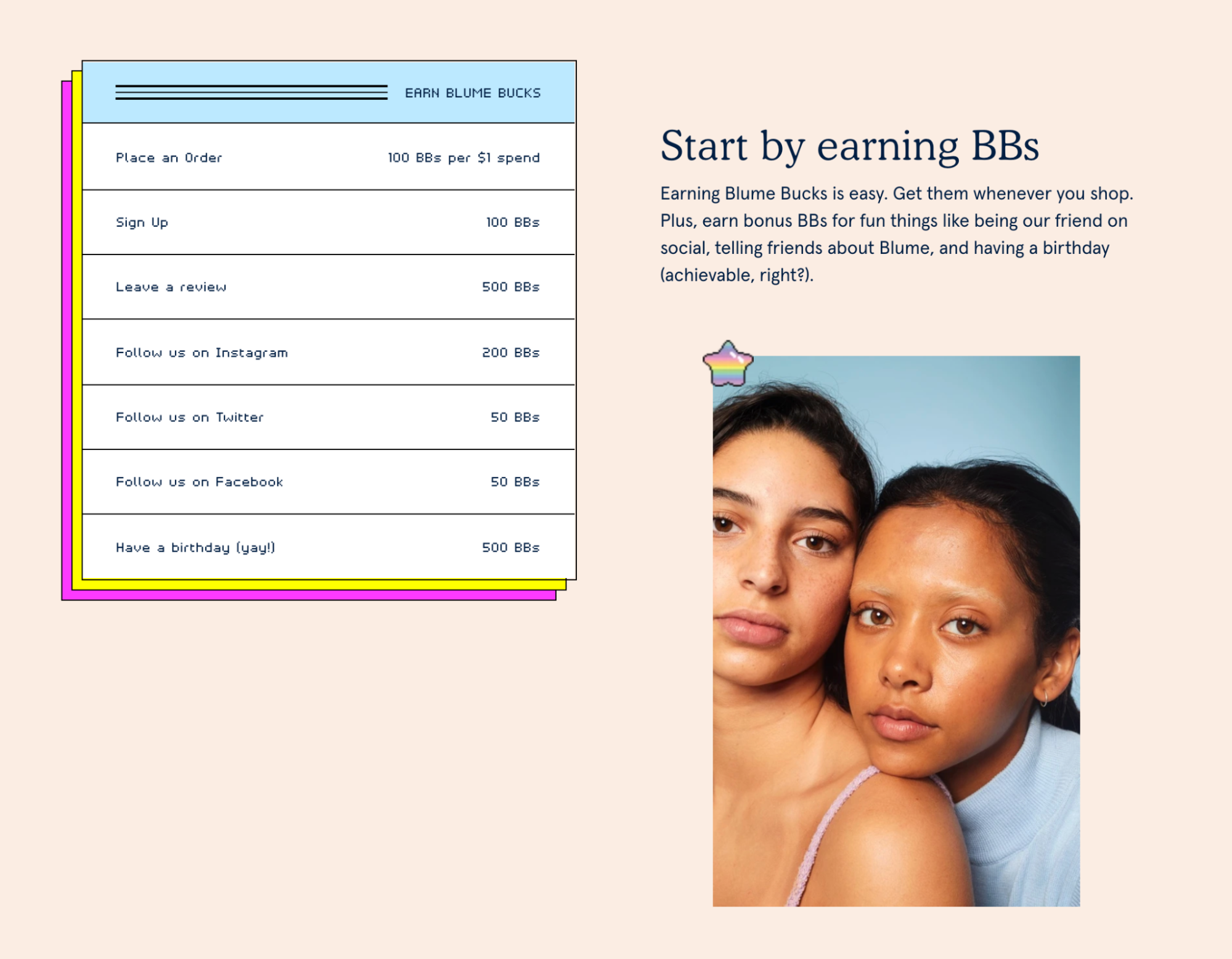
When a store knows what you love, it can offer you better deals and products, making you want to shop there even more. It’s like a circle of trust and rewards between the store and the customer.
There are plenty of apps available to run your loyalty program in-store and online. A few top options for Shopify merchants are Smile and Joy.
6. Make it easy for customers to buy again
Retailers that prioritize customer experience stand out, whether online or in-store. Customers that have an easy time shopping with your brand over and over are more likely to return.
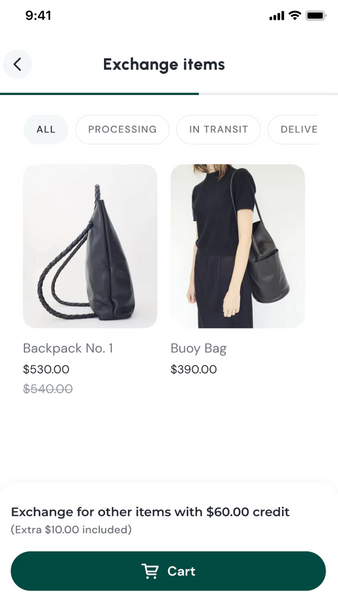
One way to make it easy for customers to buy again is through simple returns. This makes customers feel secure in their purchase, and if the product doesn’t fit or work, it’ll be easy to swap or buy something else.
Apps like AfterShip make it easy for customers to exchange items or get a refund. You can build branded returns pages that recapture revenue and provide a seamless experience online.
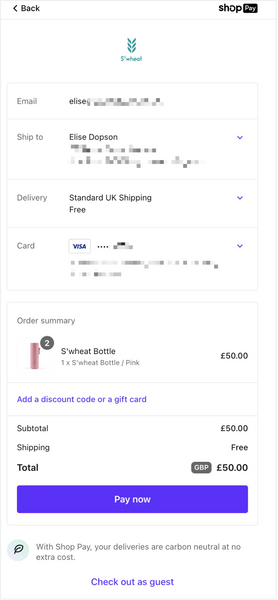
Another tactic is using Shop Pay. Once a customer makes a purchase, Shop Pay remembers their details. So the next time, instead of tediously typing out a shipping address and payment details, Shop Pay has it ready to go. It’s convenience at its best, guaranteeing faster and hassle-free checkouts.
7. Follow up with email marketing campaigns or retargeting ads
Reach out to customers after they’ve visited or shopped from your store. Using email or retargeting ads, you can remind them about the brand or show them things they liked.
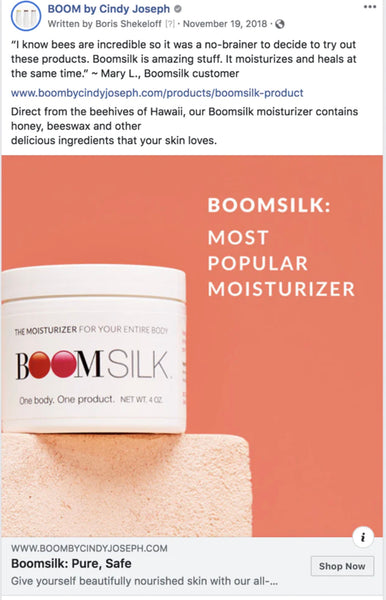
Say someone was viewing a popular moisturizer but didn’t buy it. You can use Facebook retargeting to send them a reminder, as BOOM! By Cindy Joseph does below.
If you’re keen on email, there are plenty of campaigns you can send. For example, if you know a customer likes a particular product line, you can send them a reminder when a new product is about to drop. Melt Cosmetics does this with its Slick Waterline Pencil line announcement email.

Brands like BOOM! By Cindy Joseph and Melt Cosmetics use these tactics to keep their products front of mind. By reminding customers of the items they are interested in, they are more likely to follow through and make a purchase.
Read more
- How to Engage Customers After They Leave Your Retail Store
- 12 Ways for Retailers to Cope With Customer Complaints
- Tap Into These Key Customer Triggers to Optimize Your Retail Loyalty Program
- Omnichannel Loyalty 101: Definition, Benefits, Trends, and Examples
- What are Repeat Customers and How to Increase Them
- Customer Service Tips: How to Deal With Angry Customers
- 8 Retail Experts Offer Their Top Tip on Building Brand Loyalty
- Identify Business Gaps and Build Customer Empathy with Customer Journey Mapping
Frequently Asked Questions
What is retail customer lifetime value (CLV)?
Retail customer lifetime value (CLV) estimates how much a customer will spend with your business over the full relationship. Use it to prioritize retention tactics that increase repeat purchases and profitability over time.
How do you calculate customer lifetime value for a retail store?
A common approach is: CLV = (Average Value of a Sale) × (Number of Repeat Transactions) × (Average Retention Time). Track these inputs in your POS system and ecommerce analytics so you can measure whether retention initiatives are working.
What are the best ways to start earning repeat customers quickly?
Start with friction reducers and follow-up: make returns/exchanges simple, offer fast support (like live chat), and send targeted post-purchase emails. Pair that with a loyalty or referral incentive so customers have a reason to come back sooner.
Do loyalty programs increase customer lifetime value?
Yes—when rewards are easy to understand and tied to behaviors you want (repeat purchases, referrals, UGC). Use a points system and clear redemption options, then review performance by segment to ensure the program is profitable.
What are alternatives to loyalty programs for increasing CLV?
If you don’t want a formal loyalty program, focus on community-building, user-generated content, and personalized post-purchase education. Retargeting and segmented email campaigns can also drive repeat orders by keeping relevant products top of mind.
Create more loyal customers for your business
Higher customer lifetime value comes from consistent retention habits: building community, delivering standout service, and removing friction from the second (and third) purchase.
When you focus on earning repeat customers, you’ll typically see stronger profitability, higher average order value, and more word-of-mouth momentum.
Next steps: pick two tactics from this list to implement this week (for example, launch live chat and simplify returns), then add one growth lever (like a loyalty program or segmented email follow-ups) to keep customers coming back.
Ready to turn one-time buyers into long-term customers? Build smarter customer profiles, segment your outreach, and power retention marketing with Shopify—start today and grow lifetime value with every order.


